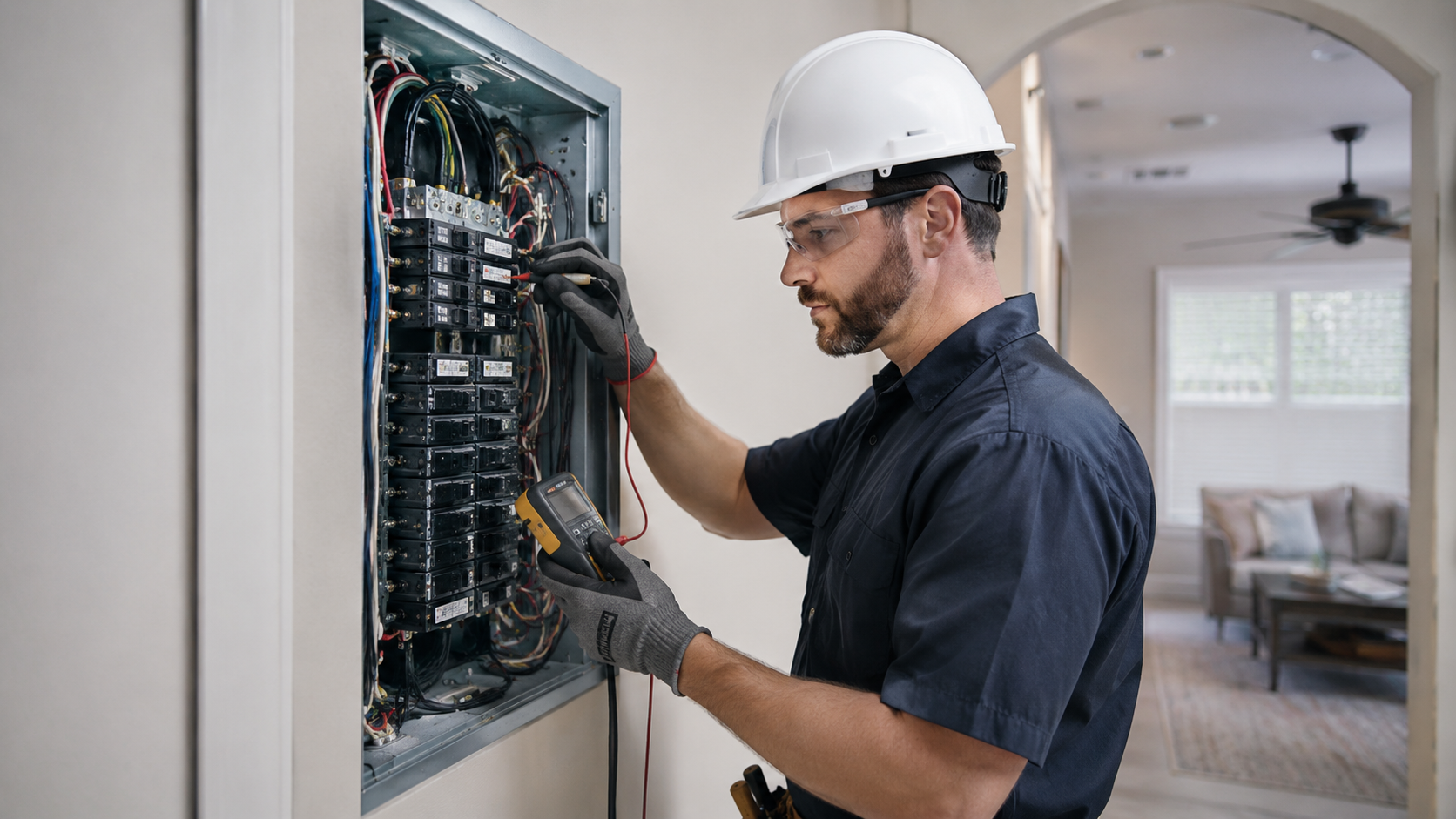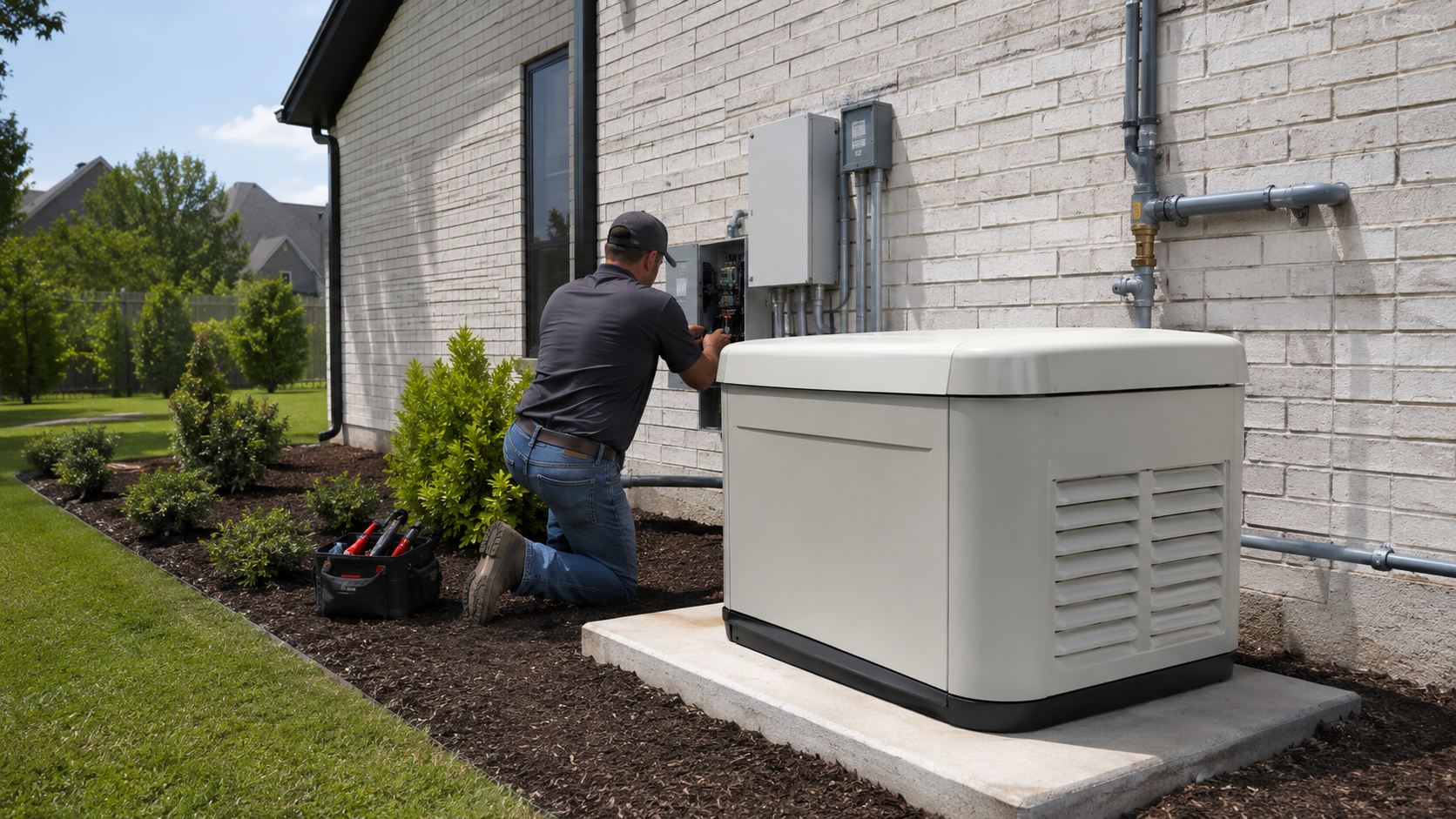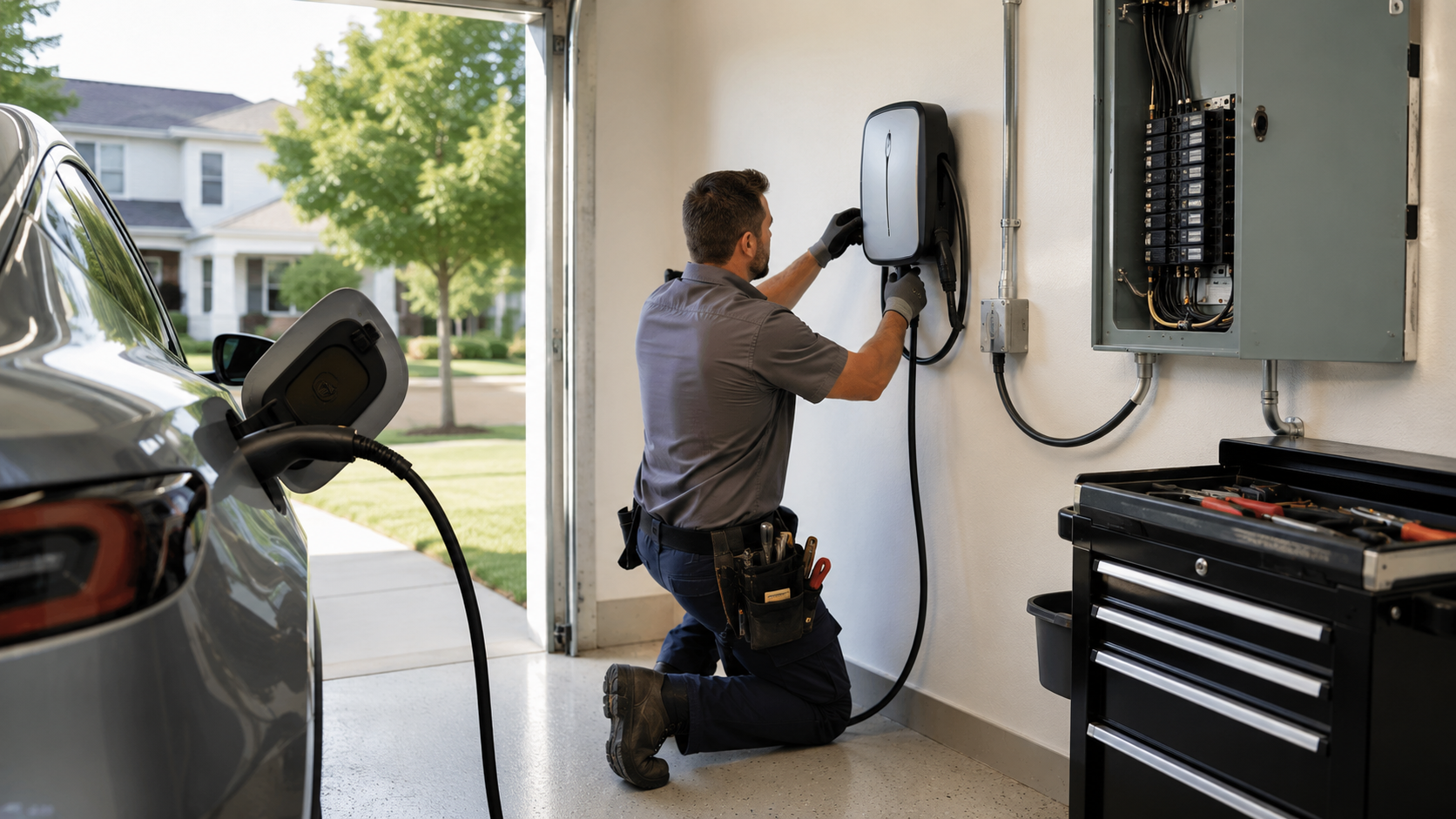
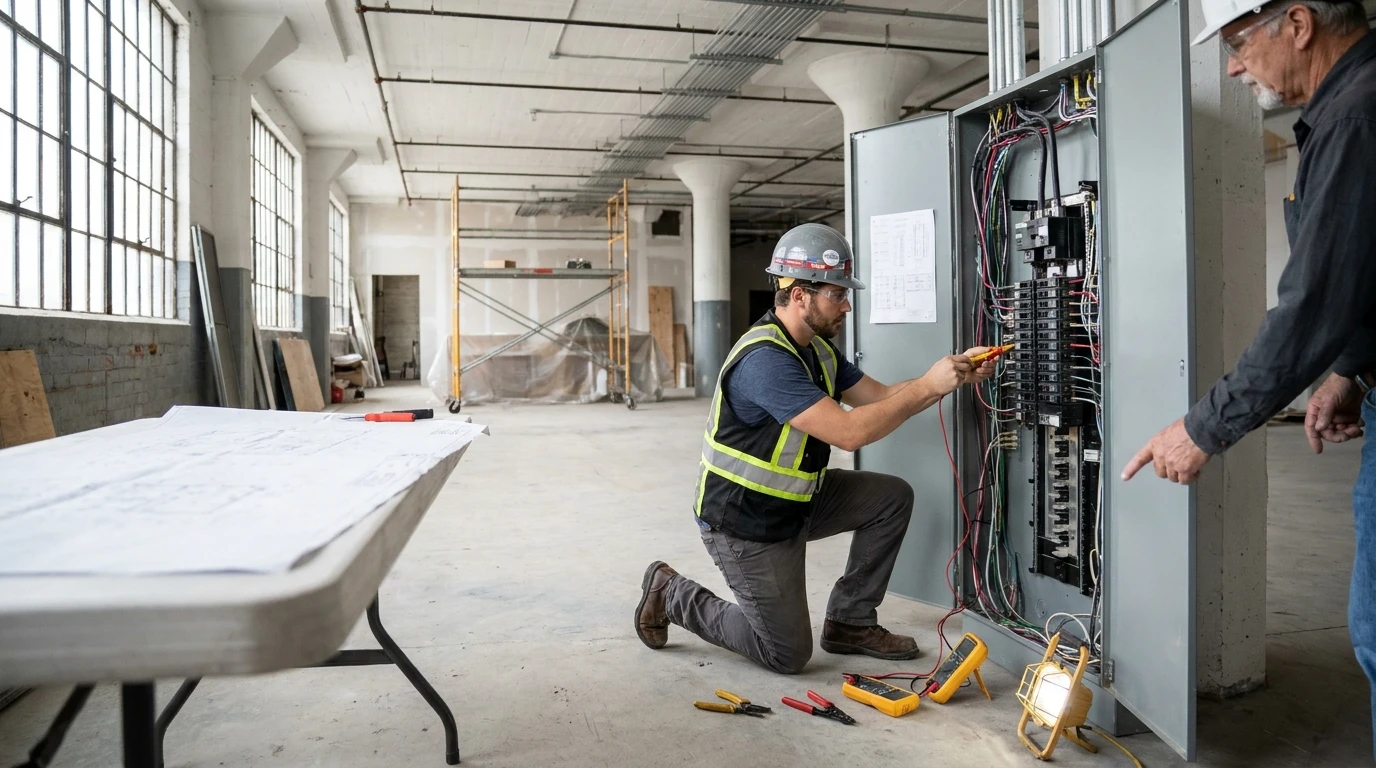
Author: rico

  • Electrical Safety During Renovations: Essential Considerations for Property Managers

    Electrical Safety During Renovations: Essential Considerations for Property Managers

    Electrical safety during renovations is crucial for protecting employees and ensuring smooth operations. Effective planning for outages, coordinating trades, and providing temporary power solutions can significantly reduce risks and enhance safety protocols.

    As property managers, we understand that renovations can disrupt daily operations. However, with proper planning and coordination, we can mitigate potential hazards and ensure that our electrical systems remain safe and compliant. This guide will cover essential aspects of electrical safety during renovations, focusing on planning outages, coordinating with various trades, ensuring temporary power solutions, and protecting employees.

    Planning Electrical Outages Effectively

    Planning electrical outages is a critical step in ensuring safety during renovations. A well-structured outage plan minimizes disruption and enhances safety for all involved. Here are key components to consider:

    • Schedule Outages During Off-Hours: Plan outages during non-business hours to minimize impact on operations.
    • Notify Employees and Stakeholders: Communicate outage schedules well in advance to ensure everyone is informed and prepared.
    • Conduct Risk Assessments: Evaluate potential risks associated with the outage, including impacts on equipment and safety protocols.

    By taking these steps, we can ensure that electrical outages are managed effectively, reducing risks and maintaining safety during renovations.

    Coordinating Trades for Safety

    Coordinating with various trades is essential for maintaining safety during renovations. Each trade has its own safety protocols, and aligning these can prevent accidents. Here are some strategies:

    1. Establish Clear Communication: Set up regular meetings to discuss progress and address any safety concerns.
    2. Define Roles and Responsibilities: Clearly outline each trade’s responsibilities regarding electrical safety to avoid confusion.
    3. Use Safety Protocols: Ensure all trades adhere to established safety protocols, including lockout/tagout procedures.

    Effective coordination among trades not only enhances safety but also ensures that the renovation proceeds smoothly and on schedule.

    Temporary Power Solutions for Renovations

    Providing temporary power solutions is vital during renovations to keep operations running smoothly. Here are some options to consider:

    • Portable Generators: Have qualified professionals assess generator use, outdoor placement, ventilation and safe connections; never connect a generator directly to building wiring without an approved transfer arrangement.
    • Temporary Power Panels: Install temporary power panels to distribute electricity safely to various work areas.
    • Consult with Professionals: Engage licensed electricians to assess power needs and implement safe temporary solutions.

    By implementing temporary power solutions, we can ensure that essential operations continue without compromising safety.

    Protecting Employees During Renovations

    Employee safety should always be a top priority during renovations. Here are strategies to protect employees:

    1. Provide Safety Training: Offer training sessions on electrical safety and emergency procedures.
    2. Implement Safety Signage: Use clear signage to indicate hazardous areas and remind employees of safety protocols.
    3. Conduct Regular Safety Audits: Perform safety audits to identify and address potential hazards throughout the renovation process.

    By prioritizing employee safety, we can create a safer work environment during renovations, reducing the risk of accidents and injuries.

    Understanding Local Electrical Codes

    Compliance with local electrical codes is essential during renovations. Understanding these regulations helps ensure safety and avoids costly penalties. Consider the following:

    • Research Local Codes: Familiarize yourself with local electrical codes and regulations that apply to your renovation project.
    • Consult with Licensed Electricians: Work with licensed electricians who are knowledgeable about local codes to ensure compliance.
    • Obtain Necessary Permits: Ensure all required permits are obtained before starting electrical work.

    Adhering to local codes not only enhances safety but also ensures that the renovation project is completed without legal complications.

    Emergency Preparedness During Renovations

    Having an emergency preparedness plan is crucial during renovations. This plan should outline steps to take in case of electrical emergencies. Key elements include:

    1. Identify Emergency Contacts: List key contacts, including electricians and emergency services, for quick access during emergencies.
    2. Develop Evacuation Plans: Create clear evacuation routes and procedures in case of an electrical emergency.
    3. Conduct Emergency Drills: Regularly practice emergency drills to ensure everyone knows how to respond in an emergency.

    By being prepared for emergencies, we can minimize risks and ensure a swift response when needed.

    Maintaining Communication Throughout the Renovation

    Maintaining open communication is essential throughout the renovation process. Here are some tips to ensure effective communication:

    • Regular Updates: Provide regular updates to all stakeholders about the renovation progress and any changes to plans.
    • Feedback Mechanism: Establish a feedback mechanism for employees to report safety concerns or suggestions.
    • Utilize Technology: Use communication tools and platforms to streamline information sharing among all parties involved.

    Effective communication helps ensure everyone is on the same page, promoting safety and efficiency during renovations.

    Conclusion

    Electrical safety during renovations depends on a coordinated plan for outages, temporary power and safe access. Discuss your project with KSI Electric Service and review electrical inspection and repair services. See OSHA electrical safety resources for general workplace guidance.

    Frequently Asked Questions

    What are the key safety considerations during electrical renovations?

    Key safety considerations include planning outages effectively, coordinating with trades, providing temporary power solutions, and ensuring employee safety through training and signage.

    How can I ensure compliance with local electrical codes?

    To ensure compliance, research local codes, consult with licensed electricians, and obtain necessary permits before starting electrical work.

    What temporary power solutions are available during renovations?

    Temporary power solutions include portable generators, temporary power panels, and consulting with licensed electricians for safe implementation.

    How can I protect employees during renovations?

    Protect employees by providing safety training, implementing safety signage, and conducting regular safety audits to identify potential hazards.

    What should be included in an emergency preparedness plan?

    An emergency preparedness plan should include emergency contacts, evacuation plans, and regular emergency drills to ensure a swift response in case of an electrical emergency.
  • Infrared Thermography: Essential for Electrical Maintenance in Commercial Settings

    Infrared Thermography: Essential for Electrical Maintenance in Commercial Settings

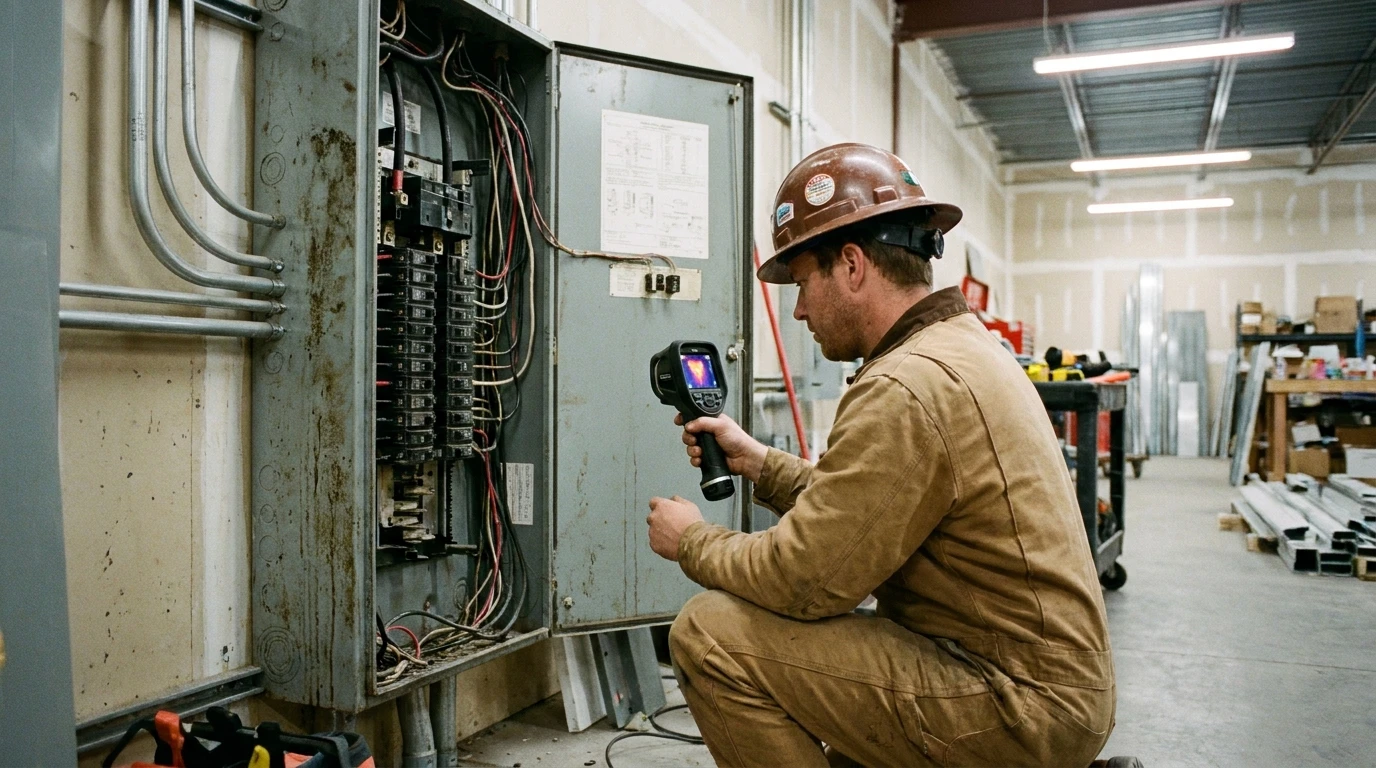
    Infrared thermography is a powerful tool for maintaining electrical systems in commercial settings. It allows for the early detection of potential issues, helping to prevent costly failures and ensuring operational efficiency.

    As property managers and business leaders in the Dallas-Fort Worth area, understanding when to implement infrared thermography can significantly impact your operations. This technology uses thermal imaging to identify hot spots and anomalies in electrical systems, which can indicate underlying issues. By integrating this proactive approach into your maintenance routine, you can enhance safety, reduce unexpected downtime, and optimize your electrical infrastructure.

    When to Consider Infrared Thermography

    Infrared thermography should be considered during routine maintenance checks, especially in high-demand environments. This technology is particularly effective in the following scenarios:

    • Annual preventative maintenance inspections.
    • Before and after major electrical installations or upgrades.
    • When experiencing unexplained equipment failures.
    • In facilities with critical uptime requirements.

    By scheduling infrared thermography during these key times, you can identify potential problems before they escalate, supporting the continued operation of your electrical systems.

    What a Qualified Electrician Checks

    A qualified electrician utilizes infrared thermography to assess various components of your electrical systems. Key areas of focus include:

    1. Electrical Panels: Checking for overheating connections or components that could lead to failures.
    2. Transformers: Identifying hot spots that may indicate insulation breakdown or other issues.
    3. Wiring Systems: Inspecting for loose connections that can cause arcing or overheating.
    4. Motors: Monitoring temperature variations that may indicate mechanical issues or overloads.

    These checks help ensure that your electrical systems operate efficiently and safely, minimizing the risk of unexpected breakdowns.

    Limitations of Infrared Thermography

    While infrared thermography offers significant benefits, it does have limitations. Understanding these can help set realistic expectations:

    • Surface Temperature Only: Infrared thermography measures surface temperatures, which may not reveal deeper issues within components.
    • Requires Expertise: Accurate interpretation of thermal images requires trained professionals to avoid misdiagnosis.
    • Not Comprehensive: It should be used as part of a broader maintenance strategy, not as a standalone solution.

    By recognizing these limitations, you can better integrate infrared thermography into your overall maintenance plan.

    Practical Next Steps for Implementation

    To effectively implement infrared thermography in your electrical maintenance routine, consider the following steps:

    1. Schedule Regular Inspections: Integrate infrared thermography into your annual maintenance schedule.
    2. Choose Qualified Professionals: Ensure that the technicians performing the thermography are certified and experienced.
    3. Follow Up on Findings: Address any issues identified during inspections promptly to prevent escalation.

    Taking these steps will help you maximize the benefits of infrared thermography and enhance the reliability of your electrical systems.

    Cost Considerations for Infrared Thermography

    Understanding the costs associated with infrared thermography can help you make informed decisions. Here are some factors to consider:

    • Initial Investment: The cost of hiring a qualified technician for infrared thermography inspections.
    • Potential Savings: Early detection of issues can prevent costly repairs and downtime.
    • Long-Term Benefits: Improved efficiency and lifespan of electrical systems can lead to reduced operational costs.

    While there is an upfront cost, the long-term savings and benefits often outweigh the initial investment.

    Conclusion

    Infrared thermography is an essential tool for maintaining the safety and efficiency of electrical systems in commercial environments. By understanding when to implement this technology, what qualified electricians check, and the limitations it presents, you can make informed decisions that enhance your operations. Taking practical steps to integrate infrared thermography into your maintenance routine can lead to significant long-term benefits.

    Discuss your facility’s electrical maintenance needs with KSI Electric Service. For more information on electrical inspections and repairs, visit DFW Commercial Electrical Inspections & Repairs. See also OSHA’s electrical safety resources.

    Frequently Asked Questions

    What is infrared thermography?

    Infrared thermography is a non-invasive diagnostic tool that uses thermal imaging to detect temperature variations in electrical systems, helping to identify potential issues before they escalate.

    How often should I schedule infrared thermography inspections?

    It’s recommended to schedule infrared thermography inspections annually or during significant electrical upgrades to ensure optimal performance and safety.

    Can infrared thermography replace regular electrical inspections?

    No, infrared thermography should complement regular electrical inspections, as it does not provide a comprehensive assessment of all electrical components.

    What qualifications should I look for in a technician?

    Look for technicians who are certified in infrared thermography and have experience in electrical maintenance to ensure accurate assessments.

    How can I benefit from infrared thermography?

    Using infrared thermography can help you detect issues early, reduce downtime, improve safety, and extend the lifespan of your electrical systems.

  • A Guide To Home Electrical Safety Inspections In Fort Worth For DFW Homeowners

    A Guide To Home Electrical Safety Inspections In Fort Worth For DFW Homeowners

    You might own a house in Fort Worth, Arlington, or anywhere in the Dallas-Fort Worth area, and never think twice about your electrical system. It’s not until something happens—a bulb starts flickering, a circuit breaker keeps blowing, or an outlet feels too hot—that you realize you need to call a professional. That’s when a home electrical safety inspection will help you prevent these kinds of problems. As a residential electrician with more than 25 years of experience in the DFW metro area, I’ve helped homeowners throughout Fort Worth, Southlake, Arlington, and other communities by inspecting their homes’ electrical systems. KSI Electric has been providing residential electrical services to the DFW area since 1995.

    What Is A Home Electrical Safety Inspection?

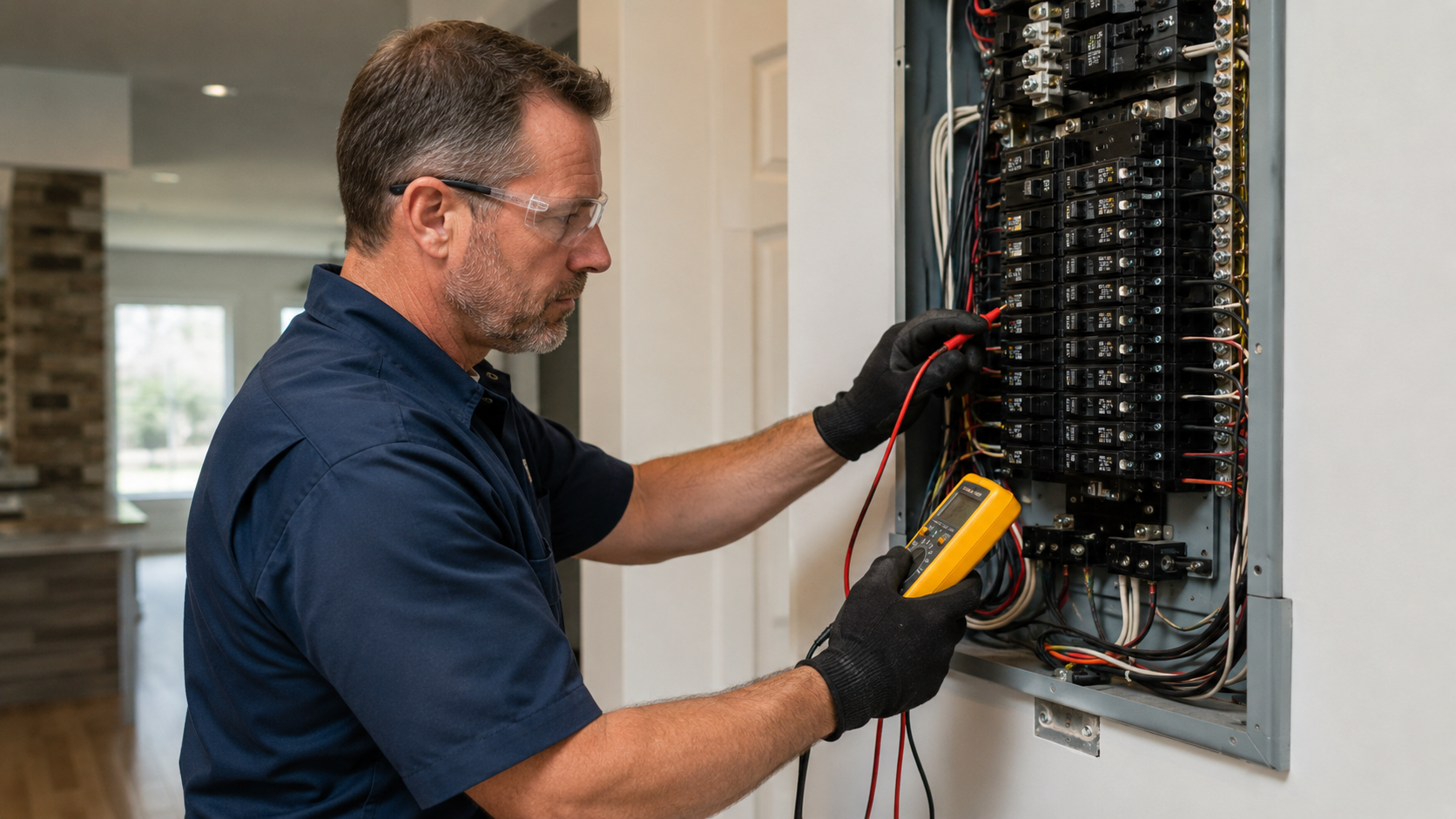
    When a licensed electrician performs a home electrical safety inspection, they examine every part of your home’s electrical system, looking for any hazards and verifying that your system meets all applicable codes. This is a thorough evaluation that goes beyond a simple visual inspection of the visible parts of your electrical system. An electrician will open up your electrical panel and check all of the breakers, outlets, wiring, switches, etc., for proper connections, corrosion, heat damage, and other potential problems. They’ll also test outlets and appliances to verify that they’re working correctly and safely. Finally, they’ll check to make sure your system has the right GFCIs and AFCIs and that it doesn’t have any outdated components, like aluminum wiring. When the inspection is complete, the electrician will provide you with a detailed report that indicates which parts of your system are safe and which need repairs or upgrades.

    When To Get A Home Electrical Safety Inspection In DFW

    Some homes need an electrical safety inspection every year, while others only need it every few years. It depends on a variety of factors, including how old the home is and how many changes have been made to the electrical system over time. Here are some of the most common reasons homeowners schedule an electrical inspection.

    Your Home Is Older Than 25 Years

    Many homes in the DFW metro area are older than 25 years, which means their electrical systems may be outdated or no longer meet current code requirements. If your home is more than 25 years old, and you don’t know when it was last inspected, you should definitely schedule a home electrical safety inspection. Homes that are more than 40 years old, especially those with original wiring, are even more likely to have outdated components or unsafe conditions.

    You’re Buying Or Selling A Home

    When you buy or sell a home, it’s important to have a licensed electrician take a look at the electrical system. A standard home inspection won’t cover the electrical system as thoroughly as a home electrical safety inspection. An electrician will look for problems like outdated panels, improper wiring, ungrounded outlets, etc. If you’re selling a home, a pre-listing inspection can give buyers confidence and help you avoid issues during negotiations.

    You’re Doing A Home Renovation Or Upgrading Appliances

    Renovations or adding appliances to your home can increase the amount of electricity your system needs to handle. An inspection can tell you if your electrical panel has enough capacity to handle the added load or if it needs to be upgraded. Additionally, an inspection can help you ensure that any new electrical work is done according to code and is properly permitted and inspected.

    You Notice Something Wrong

    If you notice any of the following symptoms, it’s time to call an electrician for a home electrical safety inspection:

    • Circuit breakers keep tripping
    • Lights that dim or flicker when another device is turned on
    • Loose or damaged outlets
    • Buzzing or humming coming from the panel or outlet
    • Shock or tingling from appliances or switches

    All of these symptoms can be indicative of an underlying electrical issue.

    What Is an Electrical Safety Inspection?

    An electrical safety inspection will cover all accessible parts of the electrical system in your home.

    Electrical Panel and Breakers

    The electrician will verify the panel is correctly rated, the breakers are correctly sized, and that there are tight connections. They will also look for any signs of overheating, corrosion, or damaged bus bars. Additionally, they will look for panels such as Federal Pacific or Zinsco, which have been associated with safety issues.

    Wiring and Connections

    They will check that the wires are correctly sized, that connections are secure, that there is no sign of wear, and that the wiring isn’t outmoded. Older homes in the DFW area may have aluminum branch circuit wiring, which poses a risk of fire at connection points, or knob-and-tube wiring, which is ungrounded and insufficient for current power requirements.

    Outlets and Switches

    Outlets and switches that can be reached will be tested for proper wiring, secure mounting, and correct function. Ground-fault protection will be verified in areas like the kitchen, bathroom, garage, and outside the house. Arc-fault protection will be checked if applicable.

    Grounding and Bonding

    Grounding provides a path for excess electricity to go to ground in the event of a surge or fault. The inspector will check for grounding and bonding, including checking for grounding electrodes, water pipe bonds, and bonding to other metal piping systems.

    Smoke Detectors and Carbon Monoxide Alarms

    Electrical inspectors often include verification of smoke detectors and carbon monoxide alarms. The inspector will check to make sure they are present, operational, and in the right location. Some older homes that only have battery-operated smoke detectors may be advised to upgrade their equipment.

    How Much Do Electrical Safety Inspections Cost in Fort Worth?

    DFW area homeowners typically pay between $150 and $400 for a whole-home electrical safety inspection. This price varies based on the size of your home, how old the system is, and how many devices are tested. Smaller homes tend to cost less; larger homes with several electrical panels may cost more.

    This price refers to a true safety inspection, which involves opening the panel, testing circuits, and preparing a written report. A basic visual inspection may cost less. If you need to address any issues identified by your electrician, you should receive a detailed breakdown of what work is needed and how much it will cost.

    How Often Should I Get My Home’s Electrical System Checked?

    If your home is relatively new and doesn’t have any known problems, getting it checked every 3 to 5 years is a good rule of thumb. Older homes, particularly those built before 1980, should be inspected every 2 to 3 years. Homes over 40 years old that have never been comprehensively inspected should be evaluated as soon as possible. Additionally, you should schedule an inspection following severe weather like lightning strikes, flooding, or significant power surges. After purchasing a home, an inspection dedicated to your electrical system can set a solid baseline for the health of your system.

    Finding the Best Electrician for an Inspection in DFW

    In Texas, all electrical work must be conducted by a licensed electrician who is registered with the Texas Department of Licensing and Regulation. A regular home inspector is not trained and permitted to inspect an electrical system like a professional electrician.

    Look for a company that is licensed and insured, and has a strong reputation in your area that will provide a written report. Inquire if they open up the panel, test outlets, and verify safety devices instead of just doing a visual inspection.

    For over 30 years, KSI Electric has been inspecting and servicing homes throughout Fort Worth, Arlington, Southlake, and other DFW suburbs. KSI Electric’s inspections are comprehensive, our reports are easy to read, and we discuss any issues and potential solutions in plain English without pushing unnecessary services.

    Safeguarding Your Home Begins With Understanding What’s Behind Your Walls

    Your electrical system runs quietly behind your walls on a daily basis. However, a loose connection or out-of-date panel can lead to fires or other forms of property damage. A residential electrical safety inspection allows you to understand what is going on behind the scenes so you can make educated decisions regarding fixes, upgrades, or maintenance.

    If you are located in Fort Worth, Arlington, Southlake, Grand Prairie, or another part of DFW and don’t know when your home was last inspected, contact KSI Electric at (817) 932-5882 or online at ksiresidentialelectric.com. We respond within one business hour and offer free quotes with no pressure.

    FAQs

    How much does a home electrical safety inspection cost in Fort Worth?

    The average cost for a complete electrical inspection in DFW is $150 to $400, based on the size, age, number of panels, and number of devices being tested. An actual inspection opens up the panel, tests outlets and safety devices, and includes a written report.

    How frequently should a home be inspected?

    It is recommended that most homes receive a residential electrical safety inspection every three to five years. If your home was built prior to 1980, inspections every two to three years might be recommended. You should also get an inspection when purchasing a home, planning major remodels, installing additional high-draw devices, or experiencing warning signs like flickering lights or breaker trips.

    What is included in a home electrical safety inspection?

    An electrical safety inspection covers your main panel, breakers, outlets, safety devices, visible wiring, grounding and bonding, and smoke detectors. Your electrician will check for damage, incorrect connections, or obsolete materials and provide a written report with any suggested next steps.

  • How Much Does A Full House Rewire Cost In Fort Worth, Texas?

    How Much Does A Full House Rewire Cost In Fort Worth, Texas?

    If you have an older home in Fort Worth, Arlington, or anywhere in the greater DFW metroplex, you may be wondering if the wiring in your walls is still up to snuff. There are many signs of an aging electrical system, such as flickering lights and repeatedly tripping breakers. Because rewiring a house is a substantial expense, it’s helpful to know what to expect before you call in Fort Worth electricians. Here’s what you need to know about the cost of rewiring a house in Fort Worth.

    What Is A Full House Rewire And Why Does My Fort Worth Home Need One?

    Full-house rewiring is the process of replacing all of the electrical wiring in your home with new wire that meets current electrical codes. This differs from replacing a panel or adding a new circuit because new wiring is required for each outlet, switch, and light fixture. Rewiring your home can also involve upgrading the electrical panel and installing arc-fault and ground-fault protection.

    Thousands of DFW homes built between the 1940s and 1970s are still operating with their original electrical wiring. However, many of these homes were wired for much less electricity than we consume today. If your home has knob-and-tube, aluminum branch, or deteriorated cloth-insulated wiring, rewiring might be a necessary safety improvement.

    Signs Your Fort Worth Home Needs Rewiring

    If any of the following are true, you should have a licensed electrician take a closer look at your electrical system:

    • Lights flicker or dim when large appliances are turned on.
    • Breakers trip frequently.
    • Outlets or switch plates feel warm or emit a burning smell.
    • The home still uses ungrounded two-prong outlets.
    • The home is equipped with an older fuse box rather than a circuit breaker panel.
    • The home was built before 1970 and has not been significantly updated.

    One symptom doesn’t always indicate you need a full rewiring job, but several symptoms often suggest an aging electrical system.

    How Much Does A Full House Rewire Cost In Fort Worth?

    The average cost to rewire a house in the DFW area ranges from $8,000 to $30,000, with most homeowners spending between $12,000 and $20,000 for a standard single-family home.

    In general, a house rewiring project will cost between $5 and $17 per square foot. Here are some average prices for rewiring different-sized homes in Fort Worth:

    • 1,000 square feet: $8,000 to $12,000.
    • 1,500 square feet: $12,000 to $18,000.
    • 2,000 square feet: $15,000 to $25,000.
    • 2,500 square feet or larger: $20,000 to $30,000 or more.

    The above figures are typical estimates for the DFW area in 2026. Your actual cost will depend on the specifics of your home, and a qualified electrician should give you a written, itemized quote.

    What Affects The Cost Of Rewiring A House In Fort Worth?

    Home Size And Layout

    The larger your home, the more wire, labor, and materials are needed. A one-story ranch-style home is easier to rewire than a two-story home with finished spaces or hard-to-reach areas.

    Wall Access And Finish Work

    It is much easier for electricians to install new wiring in open walls. When the walls are finished, electricians must cut access holes, fish wire through the walls, and patch up the openings. Older homes with plaster walls may incur additional cost because plaster is difficult to cut and restore.

    Electrical Panel Upgrade

    Many older homes also require an electrical panel upgrade. A 100-amp or lower service, or an outdated or recalled panel, must be upgraded to a 200-amp panel, which costs approximately $1,500 to $3,500.

    Number Of Outlets, Switches, And Circuits

    Older homes typically have fewer outlets than modern electrical codes require. Adding outlets and dividing the electrical load across more circuits increases the amount of materials and labor needed, but creates a safer and more functional electrical system.

    Type Of Wiring To Be Removed

    Removing knob-and-tube wiring can be time-consuming and labor-intensive, especially if it is secured to the framing or run through porcelain knobs. Aluminum wiring also requires special care. The time it takes to remove old wiring adds to the overall cost.

    Permits And Inspections

    Most cities in the DFW area, including Fort Worth, require a permit and inspection to do a full rewiring project. The fee for permits can run anywhere from $100 to $500, and your electrician can normally do the application for you. Work that isn’t properly permitted can become a problem when you go to sell your home or file a claim with your homeowner’s insurance.

    How Long Does It Take to Rewire a House?

    The average time for a DFW whole-house rewire project is three to ten working days. Homes on the smaller end and those that have easy access to wiring can be completed in as little as three to five days. The larger homes or the ones that have difficult access might take two weeks.

    Your electrician will need to cut off power to parts of your home throughout the course of the project, and while most people can live in their homes throughout the course of rewiring, if it’s a complete rewire and electrical panel change, you may lose power in your entire home for a day.

    Does Rewiring a House Increase Home Value in Fort Worth?

    If you have any unsafe or outdated electrical wiring, rewiring can remove that issue that could concern potential buyers or lead to the failure of your sale once the buyer’s home inspection takes place.

    In older Fort Worth neighborhoods, a home with a brand-new wiring system and panel might be more desirable than a similar home with its original wiring. While you might not see all of your investment back in a higher sale price, a completely rewired house might avoid the buyer’s demands for price reductions or for them to walk away from the deal altogether.

    Getting a More Accurate Whole-House Rewiring Quote in DFW

    When getting quotes from two or three different licensed electricians, make sure they’re providing quotes for the exact same things:

    • Are drywall repairs and patching part of the scope of work?
    • Is the replacement of the electrical panel included if it is required?
    • Are the permit and inspection fees covered?
    • How many outlets and circuits will be installed?
    • Are they licensed by the Texas Department of Licensing and Regulation, and do they carry general liability insurance?

    Any qualified electrician should look at the current state of your wiring and provide a detailed list of items that need to be addressed. If one quote is far cheaper than the rest, ask why. There may be differences in materials, safety devices, or whether permits will be pulled and inspections passed.

    Choosing a Qualified Electrician for Whole-House Rewiring in Fort Worth

    Any licensed residential electrician who has experience working with older DFW homes and local building codes can safely rewire a house.

    We’ve been rewiring homes throughout the Dallas-Fort Worth metroplex since 1995. KSI Electric is a family-built and locally-owned company, not a national franchise call center. When you request a quote from us, you’ll hear back within one business hour. We provide free estimates without high pressure sales tactics. All of our work is explained upfront, including costs and what’s being done, and every job we complete follows local code and is permitted. If you’d like to know whether your home needs rewiring, call us at (817) 932-5882 or visit ksiresidentialelectric.com to request a free estimate.

    Common Questions About Home Rewiring

    How much does it cost to rewire a 2,000-square-foot house in Texas?

    If you own a 2,000-square-foot home in DFW, you can expect to pay between $15,000 and $25,000 to have it rewired. The final cost will depend on how easy it is to access the wiring, whether a new panel is needed, how many outlets and circuits are required, and the existing wiring in your home. If you have plaster walls or hard-to-access areas, you can expect the rewiring to cost more.

    Can you rewire a house without opening up the walls?

    Electricians can often drill very small holes in your walls and fish new wiring through the wall cavities instead of tearing down your walls. This means that some drywall or plaster repair will still be necessary. If your home has plaster walls, lots of insulation, or complicated framing, your electrician might need to cut bigger holes.

    Does rewiring a house increase home value?

    Usually, rewiring a house doesn’t increase the value of your house more than the cost of the rewiring itself. However, it eliminates the electrical hazard that could concern buyers and home inspectors. Your home will be easier to sell and get insured when it has been rewired and has a modern electrical panel, and you won’t run into issues with potential buyers requesting price reductions. In older neighborhoods in Fort Worth, rewiring a house is more about maintaining its value than increasing its value.

  • How Much Does an Electrical Panel Upgrade Cost in Fort Worth, TX?

    How Much Does an Electrical Panel Upgrade Cost in Fort Worth, TX?

    Are you in Fort Worth or the DFW metroplex? If you own a house over 25 years old, it’s probably time to upgrade your electrical panel. But before you jump into it, one of the most common questions is “How much does an electrical panel upgrade cost?” Let’s take a look at what you can expect to pay and why it’s worth your while to get it done. At KSI Electric, we’ve been upgrading panels in Fort Worth, Arlington, Southlake and all around DFW since 1995. Here’s what you need to know about getting your electrical panel upgraded.

    How Much Does an Electrical Panel Upgrade Cost in Fort Worth?

    A typical 200-amp electrical panel replacement in the Dallas-Fort Worth area will cost anywhere from $2,500 to $4,500. This includes the new panel, breakers, labor, permits and inspection. A lot of times, the upgrade goes from 100 amps to 150 amps or from 150 amps to 200 amps. For a full service upgrade, meaning the panel, meter base, service entrance conductors and grounding system, you’re looking at $5,000 to $8,000. This is usually for older homes in Fort Worth that have their original panel and meter base.

    What Does an Electrical Panel Upgrade Cost by Amp Size?

    • 100-amp electrical panel upgrade: $1,500 – $3,000
    • 150-amp electrical panel upgrade: $2,000 – $3,500
    • 200-amp electrical panel upgrade: $2,500 – $4,500
    • 200-amp full service upgrade: $5,000 – $8,000+
    • 400-amp electrical service upgrade: $8,000 – $15,000 for larger homes that need a bigger amp size

    Keep in mind these are average prices. Every job is different. We offer free estimates, no pressure.

    Factors That Determine the Cost of an Electrical Panel Upgrade

    There are several things that affect the overall cost.

    Age of House

    It’s cheaper to do an electrical panel upgrade if you’re upgrading an electrical panel versus an old fuse box or Federal Pacific or Zinsco panel. If there are older wires or code issues, you could be looking at higher labor and materials costs.

    Location of Panel

    A panel in a garage is easier to get to and install than one in a closet, wall or another spot that isn’t code-compliant anymore. If you have to move your panel or extend wires, the cost goes up.

    Permits and Inspections

    Any electrical work requires permits and inspections. Depending on your city, the fees can range from $100 to a couple hundred dollars. This is included in your project cost. Inspections ensure the work was performed according to the National Electrical Code and local codes.

    Upgrading from Fuse to Circuit Breaker

    Replacing a fuse box with a circuit breaker panel is more involved. Usually, it requires a new service entrance cable, meter base, grounding, and circuits. Most fuse-to-circuit-breaker panel upgrades cost between $3,000 and $6,000.

    Additional Circuits

    Sometimes when you upgrade your panel, you’ll want to add more circuits for an EV charger, outdoor patio or new appliances. This is often the best time to do it because the panel is already open, making it a lot easier to install extra circuits.

    Why Is Upgrading My Electrical Panel Worth the Cost?

    Your electrical panel is the center of your electrical system. It powers everything in your house and cuts the power when there’s an issue. You want a good panel that can handle your needs. Sometimes, older panels just don’t have enough amperage to handle what’s being plugged in today. Upgrading your panel gives you:

    • A new electrical panel to current code
    • New breakers with AFCI and GFCI protection
    • Installation by licensed and insured electricians
    • Required permits and inspections
    • Proper grounding and bonding
    • More amperage to handle modern electrical usage

    An electrically code-compliant installation involves removing the old panel, replacing it with the new one, re-connecting all circuits, upgrading the grounding, testing everything and turning the power back on. It’s a job that takes two electricians about six to eight hours.

    Is a Permit Required?

    Yes. An electrical panel replacement in Fort Worth and other areas of DFW requires a permit and city inspection.

    A lack of a permit could cause problems when you sell your house, file an insurance claim, or after an electrical fire. The electrician performing the work should apply for the permit, call for the inspection, and address any deficiencies before the job is done.

    When Do I Need to Upgrade My Electrical Panel?

    If you have any of these symptoms, consider scheduling an inspection:

    • Frequent breaker trips
    • Fuse box or old panel brands
    • Dimming or flickering lights when an appliance comes on
    • Adding an EV charger or other large appliance
    • Having a 100-amp panel and adding a room addition or other large load
    • Burning odor or discoloration around the panel
    • More than 30 years old and the panel has not been replaced

    Electrical issues do not typically get better with time, so scheduling an inspection when you notice any of the above symptoms is recommended.

    Will Replacing My Panel Add Resale Value?

    Yes. A new 200-amp panel is a great selling point in the DFW housing market. Homebuyers are looking for homes that can support central AC, electric cooktop, EV charger, and smart home devices.

    Most homeowners recoup roughly 50% of the cost when they resell their house, but the real value lies in fewer repair requests during the inspection process and increased buyer confidence that leads to smoother closings.

    What Kind of Electrician Should I Use?

    A panel upgrade should always be done by a licensed professional. Make sure the electrician you hire has:

    • Texas TDLR License
    • Liability and worker’s comp insurance
    • Familiarity with homes like yours
    • Upfront, written pricing
    • Permit and inspection services
    • Positive local references
    • Final walk-through and system test

    KSI Electric has been a proud part of the DFW community since 1995. We are a family-owned business with fair prices, fast turnaround times, and a commitment to quality workmanship.

    Bottom Line

    Upgrading your electrical panel is one of the best home improvement projects you can make to increase safety, functionality, and home value. For most homes in Fort Worth and the rest of DFW, expect to spend between $2,500-$4,500 for a 200-amp panel swap and $5,000-$8,000+ for a complete electrical service upgrade for older houses.

    If you suspect your panel might need replacing, contact a professional to schedule an assessment. KSI Electric will evaluate your system, discuss your options, and give you a free, no-obligation quote. Call (817) 932-5882 or visit ksiresidentialelectric.com to get started.

    Common Questions About Electrical Panel Upgrades

    What is the average cost of a 200-amp panel upgrade in Fort Worth?

    For most homes, a 200-amp panel replacement costs $2,500 to $4,500. If you also need a new meter base, service cable, or grounding improvements, expect the total bill to range from $5,000 to $8,000.

    Does a new electrical panel add value to my house?

    Absolutely. A modern electrical panel increases safety, eliminates a common home inspection red flag, and appeals to homebuyers looking for an electrical system capable of supporting modern technology.

    How long does an electrical panel replacement take?

    The actual installation typically takes 6 to 8 hours. The entire process, from start to finish, including the permit and city inspection, usually takes 1 to 2 weeks.

  • Smart Home Wiring in Fort Worth – What DFW Homeowners Should Know

    Smart Home Wiring in Fort Worth – What DFW Homeowners Should Know

    If you live in Fort Worth, Arlington, Southlake, or any other community in the DFW area, you may have thought about upgrading your house with smart technology. Maybe you want app-controlled lighting, a video doorbell, smart thermostats, or security cameras. Thanks to advances in technology, more smart devices are becoming available at lower prices. But there is a catch. Many of these smart devices require wiring that your home might not have. This is why you need a licensed DFW electrician involved in the process.

    KSI Electric has been wiring and upgrading DFW homes since 1995. We’ve seen smart home projects fail because the home was not wired properly. Here is what homeowners in the DFW area should know before investing in smart home technology.

    What Is Smart Home Wiring?

    Smart home wiring refers to the electrical infrastructure that supports smart devices around the house. It includes wiring behind light switches, outlets, dedicated circuits for large electrical loads, and low-voltage wiring for security cameras, smart thermostats, and whole-house smart systems.

    Older DFW homes weren’t built for today’s technology. If your home was built in the 1970s or 1980s, it may not have the necessary neutral wires for smart switches. It may also lack dedicated circuits for EV chargers or smart appliances. Finally, older homes were typically not built with structured low-voltage wiring. Before you invest in smart home devices, you should understand the state of your home’s electrical system.

    Do Your Light Switches Have a Neutral Wire?

    A common issue for installing smart lighting is the lack of a neutral wire. Most smart switches need constant power so they can connect with your phone or a smart home hub when the light is off. If your home was built prior to the mid-1980s, it might not have neutral wires in the switch box. In this case, the smart switch may not function properly without adding more wiring.

    To verify if your switch box has neutral wires, you can hire a licensed electrician to take a look. Although there are smart switches that don’t require a neutral wire, they often come with tradeoffs such as flickering lights, less-than-perfect dimming, and compatibility issues. Adding neutral wires is generally the best long-term fix.

    What Can a Licensed Electrician Do for You?

    Smart plugs and Wi-Fi devices like smart speakers are generally plug-and-play. However, smart home projects that affect your home’s electrical system should always be installed by a licensed electrician. An electrician can:

    • Evaluate your existing electrical system and recommend the necessary upgrades
    • Add missing neutral wires
    • Add dedicated circuits for EV chargers or high-draw appliances
    • Install low-voltage wiring for security cameras or network access points
    • Install smart switches, outlets, and thermostats
    • Determine compatibility with your smart home system
    • Test the finished installation to make sure it works correctly and safely

    When the electrical work is performed properly, your smart home will function well. Your lights won’t flicker, you won’t experience random power outages, and there won’t be safety hazards.

    Smart Home Wiring Costs in Fort Worth

    Prices depend on the condition of your home’s wiring and the scope of the project, but here are some rough price ranges:

    • Neutral wire installation: $150 – $400 per switch location
    • Installation of smart light switches: $500 – $2,500
    • Low-voltage wiring for security cameras or network access points: $200 – $600 per run
    • Smart thermostat installation: $150 – $350
    • Whole-house smart wiring package: $3,000 – $10,000+

    These are just general estimates. For exact pricing, contact us for an in-home estimate. KSI Electric provides free, no-pressure quotes and will respond to inquiries within one business hour.

    Older Homes in DFW: Special Considerations

    There are a few considerations to make if your home was constructed before 1990.

    Aluminum Wiring: Homes built between the 1960s and 1970s could have aluminum wiring. Aluminum wiring is safe when maintained properly, but it does require specific connectors and techniques to install smart devices.

    Older Electrical Panels: Though each individual smart device draws minimal electricity, several of these devices, along with EV chargers and smart appliances, can put too much strain on an older electrical panel. An upgrade to the electrical panel may be needed.

    Two-Prong Outlets: Older homes with two-prong outlets won’t have proper grounding, which is what many smart devices require. Installing proper three-prong outlets will make your home safer and better equipped for smart devices.

    What Smart Home Devices Need an Electrician to Install?

    While some smart devices can be set up on your own, the following will likely need an electrician’s help to install:

    • Smart light switches and dimmers
    • Smart thermostats
    • Hardwired security cameras and video doorbells
    • Smart electrical panels and energy monitoring systems
    • EV chargers
    • Whole-home smart lighting systems
    • Smart outlets

    Not having these installed by a professional can lead to fire hazards, violations of Texas electrical code, and manufacturer warranty issues. Having these installed by a professional ensures your smart home setup is safe, meets code, and works reliably.

    Preparing Your Home for Smart Home Technology

    Before upgrading your home for smart devices, consider the following:

    • Have an electrician conduct a whole-home electrical inspection.
    • Determine what smart devices you want to install now and in the future.
    • If you’re doing a remodel or re-wiring, make sure neutral wires are added to switch boxes.
    • Have Ethernet cables run to key areas to establish a more reliable connection.
    • Ensure the electrical panel has room for future circuits.
    • Whenever possible, bundle upgrades into one project to save on time and money.

    Why Choose KSI Electric for Smart Home Installation?

    KSI Electric has been helping homeowners in DFW since 1995. When we take on a smart home installation, we take the time to plan carefully, do quality work, and walk through everything with you at the end of the project to make sure it’s working properly. Our company is family-built and locally owned, and we provide licensed, insured, code-compliant electrical services and responsive customer service.

    Whether you’re looking to add a smart dimmer switch or wire your entire home for smart technology, we’ll help you get the job done right and do it safely. To schedule a free, no-pressure quote, call (817) 932-5882 or visit ksiresidentialelectric.com. We’ll respond to you within one business hour. We also offer 24/7 emergency service.

    Smart Home FAQ

    How much does it cost to wire a house for smart home devices?

    The cost varies depending on your current wiring and the scope of your project. The cost to install a few smart switches might be $500-$1,000, whereas a comprehensive smart home wiring project could be $3,000-$10,000+ dollars. An electrician will be able to give you a written estimate once they’ve inspected your home.

    Do smart light switches need a neutral wire?

    In most cases, yes. A smart switch needs power to maintain its internet connection, and many homes built before the mid-1980s don’t have neutral wires in their light switch boxes. Some smart switches can operate without neutral wires, but they often have limitations. Adding neutral wires to switch boxes is the most reliable option.

    Can I install smart home devices myself?

    Devices that plug in, like smart speakers, Wi-Fi plugs, and wireless security cameras, are usually good candidates for DIY installations. Any device that would require replacing wires, connecting to your HVAC system, or running new circuits should be installed by a licensed electrician to ensure safety, code compliance, and reliability.

  • Fort Worth Emergency Electrician: What to Do When the Power Goes Out at 10 P.M.

    Fort Worth Emergency Electrician: What to Do When the Power Goes Out at 10 P.M.

    It’s Saturday night. Everyone’s in bed, the AC is humming along—suddenly you smell burning near a hallway outlet. Or maybe a breaker keeps tripping and the breaker box feels warm to the touch. These are the kind of scenarios where you need an emergency electrician.

    At KSI Electric, we’ve been helping DFW homeowners since 1995. This guide covers how to tell if it’s a real emergency, what to do while you wait, and why it’s important to call a licensed electrician, not just the first online contractor that promises a quick fix.

    What’s an Electrical Emergency vs. a Repair That Can Wait?

    Some electrical problems can wait until regular business hours. Other times, there is a significant safety and fire risk that requires immediate attention.

    Call an emergency electrician if you smell a burning or melting plastic odor from an outlet, a switch, or your electrical panel. You need emergency service if your lights are sparking, smoking, or flashing, if an electrical appliance seems to be arcing inside the house, if your breaker is tripping repeatedly or your electrical panel is vibrating, buzzing, humming, or crackling when you turn a breaker off or on, if electrical outlets or light-switch cover plates feel warm to the touch, if you have melted, scorched, or discolored outlets or wall sockets, if you have power to your neighbors’ homes but not to all, most, or even just part of yours, or if water reaches your electrical system from storms or flooding.

    In all of these cases, call (817) 932-5882.

    KSI Electric serves the entire Dallas-Fort Worth metroplex, providing emergency services on a 24-hour, seven-day basis.

    What to Do Before the Electrician Gets to Your House

    Once you’ve called for assistance, the next priority is to keep your family and home safe.

    If you smell smoke or burning, shut off the power at the main breaker if you’re able to do so safely. If you cannot reach the panel safely, leave the house and call 911. If a power issue is limited to one outlet or fixture, shut off the circuit breaker controlling that area. Do not allow children or pets anywhere near where the electrical issue is occurring. If you see a fire, evacuate the home or office right away. Never use water on an electrical fire. Only use a Class C fire extinguisher and only if you can safely do so. Make sure you have a working flashlight if the house has lost power. Remember how and where it first happened, which areas were affected, and what was running at the time. Keep away from any standing water while electrical equipment is present.

    Do not try to fix this kind of thing yourself. Improper repair can lead to injury or electrical fires, and you may run afoul of electrical codes.

    Why a Licensed Electrician Is Important in an Emergency

    During an emergency, it’s tempting to reach for your smartphone and call the first service available online. However, just because a contractor is advertising emergency services doesn’t mean that they’ll send a licensed electrician to your home or even follow the same quality standards when a crisis comes.

    KSI Electric is a family-owned Fort Worth business. When you call, you will get our people, not a third-party dispatcher. We send only licensed and insured electricians who know how to do code-compliant work and who will be able to explain the problem and repair it, once and for all, rather than offering a short-term fix.

    Common Electrical Emergencies in DFW

    1. Outdated Electrical Panels Homes built decades ago and even in newer parts of Fort Worth and Arlington can still have the original 60 or 100 amp panels installed by the builder. These old panels were not built to accommodate the electrical demands of today’s homes. They will frequently trip or overload, which can serve as a warning sign that your electrical system needs upgrading and a professional inspection before something more serious happens.
    2. Storm Damage North Texas storms can damage service equipment and let in water to panels, outlets, and electrical wiring. Never turn the power back on if electrical equipment is found soaked in water by a storm until it has been examined and cleared by a professional.
    3. Aging Wiring In homes built prior to 1980, you may have old wiring, outdated electrical fixtures, and worn out or damaged outlets or fixtures. Signs of electrical distress—warm receptacles, a smell of burning, or repeated breaker trips—should never be ignored.
    4. Overloaded Circuits The increased use of space heaters, portable A/C units, or other high-draw appliances can overload older wiring systems. Frequent tripping breakers or warm wall outlets may be indications your residence needs new circuits or a panel upgrade.

    How Much Does an Emergency Electrician Cost?

    Because emergency electricians work after normal business hours, they typically charge more than someone who schedules a service call for the day.

    In the DFW area, you can expect an average emergency service fee of $150 to $500 for the initial hour of work, plus hourly charges (labor) of $75 to $150 after that. Of course, prices will vary based on the problem and how long the repair takes, plus materials cost.

    KSI Electric provides pricing before we begin any work, so you won’t have any surprises!

    How to Prevent an Electrical Emergency

    Of course, not every emergency can be avoided, but many can!

    • Get your entire home evaluated by an electrician if it’s over 25 years old and/or has never been inspected.
    • Replace any wall outlets that are loose, discolored, or warm to the touch.
    • Get your breaker panel checked if you’re tripping your circuit breakers regularly or if you’re going to add a new circuit for something like an electric vehicle charger or hot tub.
    • Don’t plug several large wattage appliances into the same outlet or circuit.
    • Test your smoke detectors monthly.
    • If your extension cords are old and worn or cracked, replace them with new ones. Do not run them under carpets, rugs or through doorways.

    Periodic electrical inspections are the best way to uncover outdated wiring, loose connections and other potential problems so that the issue never turns into an emergency!

    What to Expect When You Call KSI Electric

    When you call KSI Electric at (817) 932-5882, a real person answers the phone. We’ll ask a few questions to assess the situation and tell you what to expect as you wait for our arrival. If you have a situation that is immediately unsafe, we will suggest you evacuate to safety, call 911 and wait for us to show up.

    When our electrician arrives at your home, we’ll first make the environment safe and fix your issue. Our electrician will explain the repairs you’re paying for in plain language before work begins, along with pricing. Then, we’ll leave your home with all systems checked out, fully operational and safe. All repairs are completed by our licensed and insured team of electricians. Everything we do complies with the most current electric code.

    Do Not Wait When Your Home Needs Help

    Electrical problems can turn dangerous fast. If your outlets feel warm, you notice buzzing sounds from your panel, or you find yourself unable to reset a tripped circuit, don’t wait. It’s not going to get better and the consequences could be dangerous to you or your family.

    KSI Electric has been protecting and serving homeowners in DFW since 1995! Our company is a locally-owned electrical company that is fully licensed and insured. Plus, we’re available 24/7! Reach out to us by calling (817) 932-5882 or visit ksiresidentialelectric.com today! No pressure! Let us provide you with a free estimate!

    Frequently Asked Questions

    What should I do before the electrician arrives?

    If you smell smoke or burning or you see any smoke, make sure to turn off the circuit breaker in your electrical panel as soon as it’s safe to do so. If the main circuit breaker is inaccessible to you, get out of the home immediately and call 911. Keep all your family members away from the area where there is smoke or the smell of smoke, don’t touch any outlets that are discolored or appliances that appear damaged, and keep in mind the situation to help the electrician troubleshoot the problem once they arrive.

    When should I call an electrician for emergency service?

    Call for emergency service immediately if you are experiencing any of these issues:

    • Burning odors, smells or sounds
    • Sparks or smoke from any area
    • Breaker trips that recur often
    • Buzzing from any electrical components
    • Warm or discolored wall outlets
    • Black scorch marks near or on outlets or electrical equipment
    • Power loss or dimming of the lights (without any power losses affecting your neighbors)

    Minor problems can usually be addressed with a more convenient day and time. A single tripped breaker or a single flickering light bulb is not usually a reason to call for emergency service.

    How much does emergency electrical service cost?

    The cost of an emergency electrician callout and labor in the Dallas area generally ranges from $150 to $500 for the service call and first hour of work, and from $75 to $150 per hour after that. The exact cost depends on the issue, the time needed to repair it, the costs of materials required and the electrician that responds. KSI Electric offers transparent pricing prior to repairs.

  • Electrical Repair in Fort Worth: The Red Flags Every Homeowner Must Recognize

    Electrical Repair in Fort Worth: The Red Flags Every Homeowner Must Recognize

    In the DFW area, your electrical system gets a workout from sunup to sundown. Add the heavy cooling requirements of Fort Worth summers, the aging electrical infrastructure in certain DFW neighborhoods, and the high power draw of contemporary appliances and you have a recipe for problems and expensive repairs.

    Spotting the telltale signs of electrical problems and fixing them early can save you money and keep your family safe.

    Flickering Lights or Lights That Grow Dim

    If a light goes out or dims when your refrigerator or A/C unit is turned on, this is a common occurrence, particularly in older homes. However, if multiple lights flicker, grow dim, or both, you may be experiencing a short or loose connection in an outlet, a problem at the electrical panel, or an overloaded circuit.

    Many older homes in the DFW area are not equipped to handle modern electrical loads. Licensed electricians in Fort Worth, Arlington, Grand Prairie and nearby cities can locate the cause of the problem and perform necessary repairs on the affected circuit.

    Circuit Breakers That Trip Frequently

    Tripping a circuit breaker protects your property and its occupants, but constantly resetting the same breaker after a trip indicates an issue. Your home may be suffering from an overloaded circuit, a short circuit or a ground fault or even a worn-out circuit breaker.

    A licensed electrician will find the source of the problem and determine whether you require only a repair, the addition of a new circuit, or an electrical panel upgrade.

    What You Should Not Do

    Never tape the circuit breaker in its “on” position to prevent it from tripping. You are disabling a safety feature that can cause a dangerous fire hazard. Instead, if a circuit breaker consistently trips, contact a qualified electrician immediately.

    Burning or Smoky Odors, Warm Outlets, or Brown or Black Markings

    If you smell a burning or melting plastic odor near an electrical outlet, switch or the electrical panel, treat it as a household emergency. If possible, turn off the electrical power to the circuit in question and call an emergency electrician right away.

    When an outlet or electrical switch feels warm to the touch or displays brown or black burn marks on its face, the issue usually involves high heat caused by a loose electrical connection. Unattended electrical fires start at these types of points in the home, and the damage they cause is extensive.

    Outlets That Fail to Operate or Do Not Sit Securely

    Non-working electrical outlets may signify a loose wire, poor wiring connection or other hidden problem with your home’s electrical system. This may indicate an earlier symptom of wiring degradation in older homes with aluminum wiring or non-grounded (two-pronged) outlets, particularly.

    Loose outlets are another potential issue. Electrical outlets can develop damaged contact points, resulting in high heat caused by electrical arcing. Replacing loose electrical outlets can resolve the issue, particularly when the wiring behind the electrical outlet can also be inspected.

    Two-Pronged Electrical Outlets and the Absence of GFCI Protection

    You probably have seen older electrical outlets without a third grounding plug. Two-pronged outlets are common in older homes, where the wiring was not installed to support grounded (three-prong) outlets or modern appliances, and electrical hazards increase when outlets lack a grounding wire. A two-prong electrical outlet provides a direct path to the ground when it fails to operate, which significantly increases the shock hazard for the user.

    Many older homes lack the Ground Fault Circuit Interrupter (GFCI) outlets required in kitchens, bathrooms, garages and outdoor living areas of modern homes. GFCI-equipped outlets are designed to shut off power when an electrical fault is detected in order to prevent dangerous shocks. A licensed electrician in Fort Worth, Southlake and surrounding cities can install these electrical outlets in areas of your home that lack them, when the existing electrical wiring allows for a GFCI installation.

    Older Homes and Aging Electrical Wiring

    Homes built prior to 1980 or so may not meet modern safety standards. Older homes in and near Fort Worth may contain aluminum wiring or even knob-and-tube wiring, in addition to wiring that uses cotton insulation rather than the modern plastic variety.

    Aluminum wiring, in particular, is cause for concern. Aluminum expands and contracts in different ways than copper, so its connections can loosen over time. This creates additional heat and can significantly increase the risk of electrical fires. A professional inspection will let you know if your system needs special repair or rewiring.

    Electrical Repair Cost in Fort Worth: The Average

    Standard repairs usually fall within these costs. You can expect to pay $150-$400 for most common issues, such as dead outlets and tripping breakers. Repairs can be more expensive depending on the job. You can expect to pay $500-$1,500 for a new circuit, damaged wiring replacement, or a replacement of a few outlets.

    Panel upgrades or rewiring your whole home cost varies based on house size and project scope. With us, at KSI Electric, each quote details the work to be done, why, and how much it will cost.

    When Do You Need an Electrician to Come Out Immediately?

    If your experience any of the following, you’ll need a licensed electrician to come to your home to address the situation immediately:

    • You smell smoke or burning when you plug something in or turn on an appliance
    • Your electrical panel is buzzing, hot, or looks like it’s been scorched
    • Your electrical panel smells like plastic or burning
    • You feel mild tingling when you touch an appliance or switch
    • A large portion of your house has lost power and resetting a breaker doesn’t turn it back on

    Do not try to address the issue yourself. If you can, turn off power in the house before you call an electrician.

    KSI Electric can respond to your emergency immediately and will be with you as soon as possible. We offer 24/7 emergency electrical service in the Dallas-Fort Worth metro area.

    Why Get a Licensed Electrician for My Electrical Problem?

    Electrical repairs are not a do-it-yourself (DIY) job. In Texas, electrical work must be performed by a licensed electrician as outlined by the Texas Department of Licensing & Regulation (TDLR). Unlicensed or DIY electrical work may not pass a home inspection or cause problems with your home insurance.

    KSI Electric has been serving our Fort Worth neighbors since 1995. We are a licensed and insured electrician. We will arrive on time, tell you what the problem is and what we’ll do to fix it, then do it right and make sure you understand exactly what we’ve done with a final walkthrough.

    Electrical Repairs

    Problems with your home’s electrical system don’t just go away by themselves. Whether it’s flickering light bulbs, repeatedly tripping breakers, outdated outlets, or burning smell, getting your home’s electrical system fixed sooner, rather than later, protects your home and the people living in it.

    If you live in Fort Worth, Arlington, Southlake, Grand Prairie, or anywhere in the Dallas-Fort Worth area, please call KSI Electric at (817) 932-5882 for a free, no-pressure quote. You can expect to hear from us within one business hour.

    We are also available 24/7 for emergency service. Or you may click ksiresidentialelectric.com to schedule an inspection.

    Your Electric Repair Questions Answered

    How will I know if I have electrical problems?

    Flickering lights, tripping breakers, warm, discolored, or burnt smelling outlets and switches, buzzing sounds, etc. are all indications that you may have an electrical issue. These problems typically start off small and get worse over time. Getting a qualified electrician to inspect your home’s wiring can help to identify problems before they cause significant damage to your home or personal injury.

    When should I call an electrician instead of fixing it myself?

    Any repairs to or replacement of outlets, switches, junction boxes, wiring, or panel work should be done by an electrician. Homeowners can safely change light bulbs or reset a tripped breaker. But, any other electrical repairs should be done by an electrician.

    How much does an electrician cost in Fort Worth?

    Most basic electrical repairs will cost $150-$400, whereas more complicated projects like a new circuit or wiring repair will cost $500-$1,500+. Larger projects like panel upgrades or rewiring a whole home is dependent on the size of the house and project scope. We provide free, no-pressure quotes prior to beginning work at KSI Electric.

  • Whole-Home Generator Installation in DFW: Everything You Need to Know About Home Backup Power

    Whole-Home Generator Installation in DFW: Everything You Need to Know About Home Backup Power

    Have you lived in DFW long enough to know the power can go out anytime, day or night? It seems inevitable here in the DFW metroplex. We have severe storms in the spring, ice storms in the winter, and summer heat waves when the Texas grid becomes overworked. A whole-home generator is going to help you sleep well at night when your DFW-area neighbors are not. Read on for a quick overview of generator sizing and costs, and what to expect during installation.

    Why DFW Homeowners Need a Whole-Home Generator

    Texas weather puts the power supply in jeopardy. Storms that hit Texas with tornadoes and hurricanes can knock down power lines. Summer power demand is often too much for the Texas power grid to handle. Texas can also get an ice storm in the winter that can cut the power off to an entire household. If your home was one of these households in one of these weather events, you would understand the inconvenience if you had no heat, no water running, and no lights on during the outage. If it was 30 degrees outside, you would not be very happy with having to move into a motel because there was nothing else you could do.

    With a whole-home standby generator, your whole house can run during the storm if and when the power does go out, and you can sleep soundly at night. A whole-home generator is installed outside your home and will automatically turn on when the power goes out. The unit is hooked up to a transfer switch that allows it to take over for the grid. The system is also hooked up to your gas or propane line to use as a fuel source. As soon as the transfer switch detects a power failure, it activates the generator and the generator starts and provides power to your home. This all occurs automatically. With no work required of you. You are going to stay cool and safe and warm during any power outage that lasts anywhere from 30 seconds to hours to days.

    Standby Generator vs. Portable Generators

    Portable Generators

    Portable generators will be small enough to sit on the driveway to run a refrigerator, lights, and a portable AC unit. The cost will be $500-$2,000 and are run off of gas fuel that will have to be purchased and stored. They are noisy and should only be run outdoors as it produces carbon monoxide that can be harmful to you and your family. These generators should not be used to run your home unless they can supply power to your circuits or you have an electrician set up an extension cord system to hook to your circuits.

    Standby Generators

    Standby generators are installed as part of a permanent system that is installed on the side of your home or set up on a pad outside of your home that allows your gas or propane to power the generator. The transfer switch automatically senses when the power grid is down and switches your home power over to your whole-home generator. These generators are the easiest and safest generators to have for extended power outages. They may run a portion of your home or all of your home based on how large the generator is. You will pay more for your whole-home generator, but they will provide power to your home in a short amount of time during a power outage.

    Generator Installation Cost in Fort Worth

    The cost of a whole-home standby generator varies based on your home electrical system, the labor involved, and the size of the generator that you install.

    • Generator size is the costliest portion of your whole-home generator installation. Homeowner generators vary in size from 14kw to 26+ kw.
    • The generator alone ranges from $3,000 to $8,000.
    • Installation of the transfer switch and electrical wiring from the generator to your electrical panel will add anywhere from $2,000 to $6,000 depending on electrical complexity and distance from generator to home.
    • The installation of an electrical panel or changing your electrical wiring to handle a generator installation will also affect cost.
    • Most cities will need you to purchase a permit.

    The entire installation cost will range from $7,000-$15,000 for most DFW-area homeowners. Installation can go above $20,000 if your electrical system needs a lot of work or you need a large generator.

    Generator Installation Process

    Planning and Permitting

    A professional will install your whole-home standby generator. They will inspect your home to make sure you will have adequate power from your generator and what size generator will be best for your home. Then the generator will be installed, and the whole home generator installation is complete. Most generator installations take one or two days.

    Installation

    The electrician will set up a pad for the generator, run wires to your main electrical panel, and hook up a fuel line from a natural gas line or your propane tank. The generator and electrical panel setup should only take one day, although sometimes two days are needed. They install the pad, the generator, the automatic transfer switch, the electrical hookups, and the natural gas/propane hookup.

    Testing and Walkthrough

    After the generator is installed, the electrician will test the generator to prove it will work in case of a power outage. The test shows how the transfer switch works, shows the generator kick-on, shows how the generator shuts down when power is restored to the home, and shows how the transfer switch kicks back to utility power. You will also get a walk-through of your new generator system including all indicators and operation details, and simple maintenance procedures.

    Picking the Right Generator Size

    If the generator is too small, it can become overloaded. If it is too large, you end up with extra costs that you didn’t need.

    A licensed electrician will do a load calculation based on your AC, heating, hot water, refrigerator, lights, outlets, and other major electrical loads in your home.

    The average sized 2000-sf home in DFW can use a 20-22kW generator for almost all needs in the home. The average AC in DFW is about 4 kW. This size generator will be able to power everything in your home and still have some power in reserve. A 24-26kW generator is needed for some larger homes or homes with more than one AC. An electrician should determine the right size generator so you don’t buy one that is the wrong size for your home and your budget.

    Why you must use a licensed electrician for your installation

    When you install a whole-home generator, you are connecting your generator to your whole home electrical panel, and your generator is connected to your natural gas or propane line. It is important that you stay compliant to local and national electrical and fuel codes, plus any safety regulations that apply. In the state of Texas, only a licensed electrician is qualified to install your standby generator system.

    An incorrectly installed whole-home generator can send electricity back to the grid which puts the utility worker’s safety in jeopardy and can damage utility grid electrical equipment. An incorrectly sized fuel line could lead to the inability to operate the generator properly. And if your generator installation was never permitted, you will have an issue with your home when you sell your home, and with your homeowners’ insurance company in case of a claim.

    By hiring a licensed residential electrician for your whole home generator installation, you will get a code-compliant installation that has been permitted and inspected. The new system will have been tested and is ready for the day that you need it to be your new power solution during your next major power outage.

    Secure your Home Now, Before the Next Power Outage

    Power outages happen in DFW. One of the safest and most reliable ways to protect your family and home is by having a whole-home generator installed. By getting the correct size generator and using a licensed electrician for the install, your generator will continue to work for many years to come.

    If you have questions about a new whole-home generator for your Fort Worth, Arlington, Southlake, or surrounding DFW home, KSI Electric offers free no-pressure quotes and is committed to a response time of one business hour. KSI Electric has been protecting North Texas homes since 1995. Contact us at (817) 932-5882 or visit ksiresidentialelectric.com for your free generator consultation.

    Whole-Home Generator Frequently Asked Questions

    How much does it cost to install a whole-home generator in Texas?

    Most whole-home generator DFW home owners will spend $7,000 to $15,000 installed for a generator system including the generator, transfer switch, labor, and permitting. The price depends on the generator size, any electrical improvements in your home, and the type of fuel source used.

    How long is a whole-home generator installation?

    In the majority of cases, the physical generator install will take one day, sometimes two days. The entire process from quote to installation will take from two to four weeks to allow time to pick out the generator unit, do the permitting, schedule the electrician, and have the unit tested.

    What size generator will I need for my home?

    Most 2000-sf DFW homes have their needs met with a 20-22kW generator. Larger homes or homes with heavier electrical needs may require 24-26kW or more of capacity. A licensed residential electrician should perform a load calculation in your home in order to determine the correct size generator for your home.

  • Installing an EV Charger in Dallas: A Local’s Guide to Home Charging in DFW

    Installing an EV Charger in Dallas: A Local’s Guide to Home Charging in DFW

    For electric vehicle (EV) owners in Dallas, using public charging networks is certainly an option, but let’s be real: there’s nothing quite like waking up to a fully recharged vehicle at home. Home charging is a key reason why we’ve seen a surge in home charger installs at KSI Electric. Installing a dedicated home EV charging station will not only make your life more convenient, it’s also cheaper and less hassle than public charging. In fact, installing a proper Level 2 EV charger in your home could also increase your property value. Read on to learn what to expect during the EV charging station install process, and what it’s going to cost you.

    Why DFW Area Homeowners Are Switching to Level 2 Home Charging

    Most EVs come with a Level 1 charger that works with a typical wall outlet. A Level 1 charger only generates around 3 to 5 miles of range per hour. Depending on how far you drive on average, that could translate to over 24 hours of waiting time to full charge. If your daily mileage averages around 20 to 30 miles, Level 1 isn’t practical for you.

    A Level 2 charger runs on a 240-volt line — like an electric stove or dryer — and generates 25 to 40 miles of range per hour. Most electric cars can recharge from empty to full in about 4 to 8 hours — meaning you can go to sleep with a flat battery and wake up with a full tank. For DFW-area commuters, installing a home charging station is the best way to make sure every morning begins with a fully charged battery, in Arlington, Dallas, Fort Worth, and beyond.

    What to Expect During EV Charger Installation

    Installing a Level 2 charger requires a 240-volt circuit and should be installed only by a licensed electrician.

    Evaluating the Electrical Panel

    First, we assess your electrical panel to see if it has enough capacity to support your desired EV charger. Almost all Level 2 chargers require a dedicated 40-amp or 50-amp electrical circuit. If your panel is old, under-sized, or maxed out, it may not be able to power a 50-amp line, and you may need a panel upgrade first. This is more common in homes built before 2000.

    Choosing the Charger

    Choosing the best charger depends on several factors including your vehicle type, driving habits, and where it will be installed. Some EV chargers are hardwired directly into an electrical panel, while others are wired to a standard 240-volt outlet and plugged in like a typical electrical appliance. Hardwired chargers have a cleaner look, and if you’re installing an outdoor charger, they will often be required. But if you plan to replace the charger later, the plug-in models are easier to remove. A Tesla wall connector is common among Tesla drivers, but many Level 2 chargers work with almost any EV on the market, thanks to the J1772 connector and a simple adapter.

    Running the Circuit and Mounting

    Once you’ve chosen a charger, your Dallas electrician will run the circuit from your electrical panel to the charging location. This might include running conduit, threading wires through finished walls, or installing an underground trench. Next, the charger will be installed, tested, and explained to you prior to your final acceptance of the work.

    How Much Does EV Charger Installation Cost in Dallas?

    If you live in the DFW area, you can expect to pay between $1,200 and $3,000, excluding the actual charger, for Level 2 EV charger installation. Your costs can fluctuate based on the following:

    • Charger hardware: $400 to $1,200.
    • Electrical labor and materials: $500 to $1,500.
    • If you need an electrical panel upgrade (if applicable): $1,500 to $4,000.
    • Permits and inspections: $75 to $200.
    • Outdoor installation or trenching: $300 to $1,000.

    The most accurate cost estimate you can get for an EV charger install is an in-person evaluation of your home by an electrician. The experts at KSI Electric provide a free quote, and we promise to get back to you in one business hour or less.

    Do You Need a Permit for EV Charger Installation in Texas?

    Yes, a permit and municipality inspection are necessary for EV charger installs. This is important for ensuring that your installation is up to current electrical code and will keep your home safe and insurable. KSI Electric will pull the permit, have the licensed electricians do the work, and coordinate the inspections. Not having a permit may make your home less safe, and can even be an issue with home buyers when selling your home.

    Signs Your Electrical Panel Needs an Upgrade

    You will need to ensure that you have available panel capacity for your electric vehicle. Common signs a panel upgrade will be necessary include:

    • 100 amp panel or less
    • Federal Pacific or Zinsco panel
    • Frequent breaker trips
    • No available spaces in your electrical panel
    • An electrical panel more than 25 years old that has never been inspected by a licensed electrician

    While your project will cost more with a panel upgrade, it also will make your home safer and allow for any future electrical projects like solar and generators.

    Choosing the Right Electrician

    EV charger installation should always be performed by a licensed, insured residential electrician. When searching for your electrician, look for:

    • An up-to-date Texas TDLR electrical license
    • Experience with Tesla Wall Connector installations and/or any other Level 2 charging stations
    • Familiarity with your city/county permitting and inspection process
    • Written, upfront pricing
    • Liability and workmanship warranties
    • A final walkthrough with the electrician to go over the safe operation of your new charger

    KSI Electric has provided DFW area homes with licensed and insured electricians and responsive customer service since 1995.

    What to Do Before Installation Day

    To make the installation as easy as possible, please clear off the area where the charger will be mounted and give the electrician easy access to your electrical panel. If you have bought your own charger, please have it ready for installation day. If you drive a Tesla, be prepared with information about your vehicle’s maximum rate of charge, and be prepared for the installation to be around 4 to 8 hours.

    Conclusion: Ready to Charge at Home?

    Adding a Level 2 EV charger in the Dallas-Fort Worth area may be the smartest project that you can add to your home as an EV owner. At-home EV charging provides faster charging capabilities than many public stations, a lower cost of operation than many public stations, and the convenience of having a fully charged vehicle each day. Whatever the size of your electrical panel project, KSI Electric has the proper licenses and experience to complete it safely.

    Call (817) 932-5882 or visit ksiresidentialelectric.com for your free, no-obligation quote. All installations come with our 30+ years of DFW home ownership experience.

    FAQ’s

    What does a Level 2 EV charger installation cost in Texas? Most Level 2 EV charger installations in Texas run between $1,200 and $3,000, depending on how far the installation is from your electrical panel, any additional work to complete the job, and whether or not an electrical panel upgrade will be necessary.

    Does a Level 2 EV charger have to be installed by a licensed electrician? In Texas, an electrical permit and inspection is required for Level 2 charger installations. Furthermore, any 240 volt circuits should only be installed by a licensed electrician to ensure that you comply with local electrical code, stay safe, and remain within the warranty coverage of your charger.

    Can my existing electrical panel accommodate an EV charger? That is a bit dependent on the capacity of your panel and your home’s current electrical load. Most Level 2 chargers require a dedicated 40 amp or 50 amp circuit. A licensed electrician can assess your panel during a free estimate and advise you if an upgrade is necessary.