Category: Electrical Services

  • Electrical Safety During Renovations: Essential Considerations for Property Managers

    Electrical Safety During Renovations: Essential Considerations for Property Managers

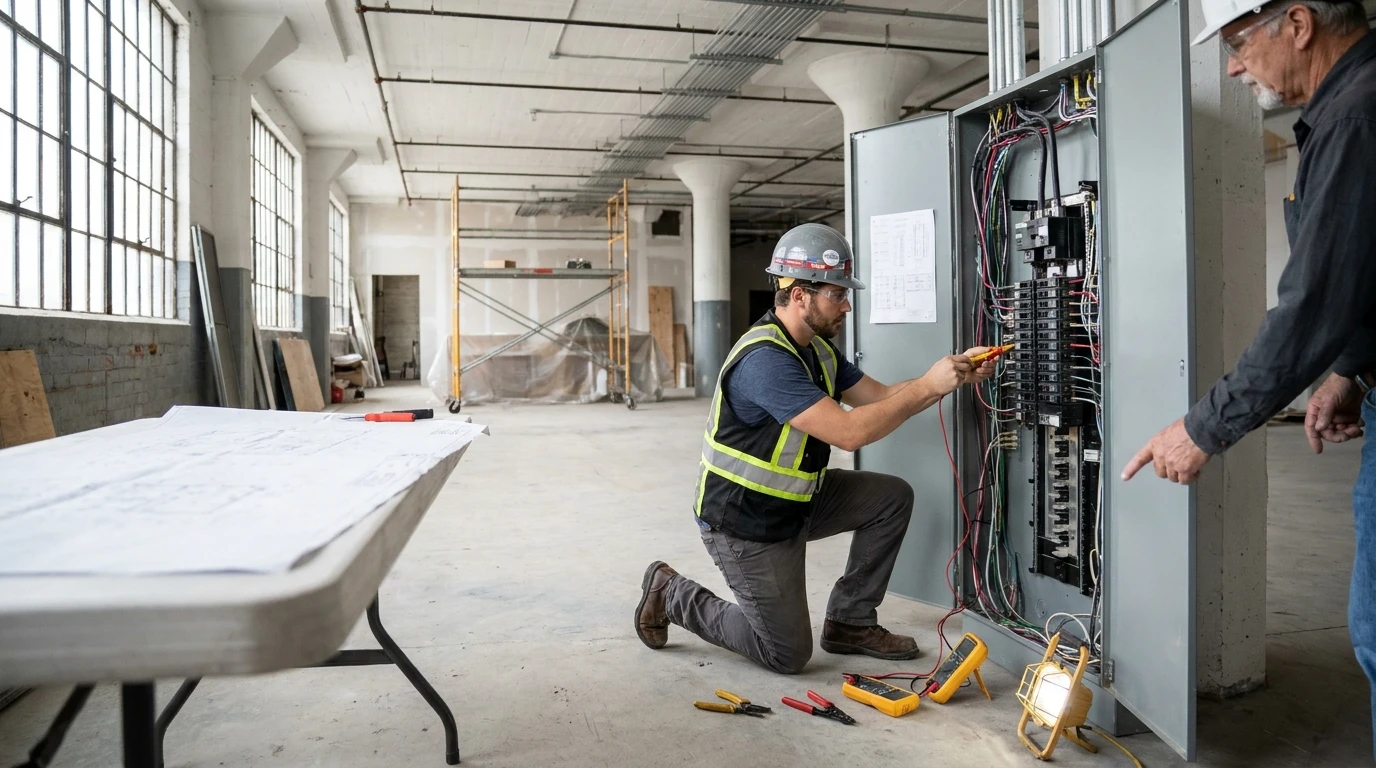
    Electrical safety during renovations is crucial for protecting employees and ensuring smooth operations. Effective planning for outages, coordinating trades, and providing temporary power solutions can significantly reduce risks and enhance safety protocols.

    As property managers, we understand that renovations can disrupt daily operations. However, with proper planning and coordination, we can mitigate potential hazards and ensure that our electrical systems remain safe and compliant. This guide will cover essential aspects of electrical safety during renovations, focusing on planning outages, coordinating with various trades, ensuring temporary power solutions, and protecting employees.

    Planning Electrical Outages Effectively

    Planning electrical outages is a critical step in ensuring safety during renovations. A well-structured outage plan minimizes disruption and enhances safety for all involved. Here are key components to consider:

    • Schedule Outages During Off-Hours: Plan outages during non-business hours to minimize impact on operations.
    • Notify Employees and Stakeholders: Communicate outage schedules well in advance to ensure everyone is informed and prepared.
    • Conduct Risk Assessments: Evaluate potential risks associated with the outage, including impacts on equipment and safety protocols.

    By taking these steps, we can ensure that electrical outages are managed effectively, reducing risks and maintaining safety during renovations.

    Coordinating Trades for Safety

    Coordinating with various trades is essential for maintaining safety during renovations. Each trade has its own safety protocols, and aligning these can prevent accidents. Here are some strategies:

    1. Establish Clear Communication: Set up regular meetings to discuss progress and address any safety concerns.
    2. Define Roles and Responsibilities: Clearly outline each trade’s responsibilities regarding electrical safety to avoid confusion.
    3. Use Safety Protocols: Ensure all trades adhere to established safety protocols, including lockout/tagout procedures.

    Effective coordination among trades not only enhances safety but also ensures that the renovation proceeds smoothly and on schedule.

    Temporary Power Solutions for Renovations

    Providing temporary power solutions is vital during renovations to keep operations running smoothly. Here are some options to consider:

    • Portable Generators: Have qualified professionals assess generator use, outdoor placement, ventilation and safe connections; never connect a generator directly to building wiring without an approved transfer arrangement.
    • Temporary Power Panels: Install temporary power panels to distribute electricity safely to various work areas.
    • Consult with Professionals: Engage licensed electricians to assess power needs and implement safe temporary solutions.

    By implementing temporary power solutions, we can ensure that essential operations continue without compromising safety.

    Protecting Employees During Renovations

    Employee safety should always be a top priority during renovations. Here are strategies to protect employees:

    1. Provide Safety Training: Offer training sessions on electrical safety and emergency procedures.
    2. Implement Safety Signage: Use clear signage to indicate hazardous areas and remind employees of safety protocols.
    3. Conduct Regular Safety Audits: Perform safety audits to identify and address potential hazards throughout the renovation process.

    By prioritizing employee safety, we can create a safer work environment during renovations, reducing the risk of accidents and injuries.

    Understanding Local Electrical Codes

    Compliance with local electrical codes is essential during renovations. Understanding these regulations helps ensure safety and avoids costly penalties. Consider the following:

    • Research Local Codes: Familiarize yourself with local electrical codes and regulations that apply to your renovation project.
    • Consult with Licensed Electricians: Work with licensed electricians who are knowledgeable about local codes to ensure compliance.
    • Obtain Necessary Permits: Ensure all required permits are obtained before starting electrical work.

    Adhering to local codes not only enhances safety but also ensures that the renovation project is completed without legal complications.

    Emergency Preparedness During Renovations

    Having an emergency preparedness plan is crucial during renovations. This plan should outline steps to take in case of electrical emergencies. Key elements include:

    1. Identify Emergency Contacts: List key contacts, including electricians and emergency services, for quick access during emergencies.
    2. Develop Evacuation Plans: Create clear evacuation routes and procedures in case of an electrical emergency.
    3. Conduct Emergency Drills: Regularly practice emergency drills to ensure everyone knows how to respond in an emergency.

    By being prepared for emergencies, we can minimize risks and ensure a swift response when needed.

    Maintaining Communication Throughout the Renovation

    Maintaining open communication is essential throughout the renovation process. Here are some tips to ensure effective communication:

    • Regular Updates: Provide regular updates to all stakeholders about the renovation progress and any changes to plans.
    • Feedback Mechanism: Establish a feedback mechanism for employees to report safety concerns or suggestions.
    • Utilize Technology: Use communication tools and platforms to streamline information sharing among all parties involved.

    Effective communication helps ensure everyone is on the same page, promoting safety and efficiency during renovations.

    Conclusion

    Electrical safety during renovations depends on a coordinated plan for outages, temporary power and safe access. Discuss your project with KSI Electric Service and review electrical inspection and repair services. See OSHA electrical safety resources for general workplace guidance.

    Frequently Asked Questions

    What are the key safety considerations during electrical renovations?

    Key safety considerations include planning outages effectively, coordinating with trades, providing temporary power solutions, and ensuring employee safety through training and signage.

    How can I ensure compliance with local electrical codes?

    To ensure compliance, research local codes, consult with licensed electricians, and obtain necessary permits before starting electrical work.

    What temporary power solutions are available during renovations?

    Temporary power solutions include portable generators, temporary power panels, and consulting with licensed electricians for safe implementation.

    How can I protect employees during renovations?

    Protect employees by providing safety training, implementing safety signage, and conducting regular safety audits to identify potential hazards.

    What should be included in an emergency preparedness plan?

    An emergency preparedness plan should include emergency contacts, evacuation plans, and regular emergency drills to ensure a swift response in case of an electrical emergency.
  • Infrared Thermography: Essential for Electrical Maintenance in Commercial Settings

    Infrared Thermography: Essential for Electrical Maintenance in Commercial Settings

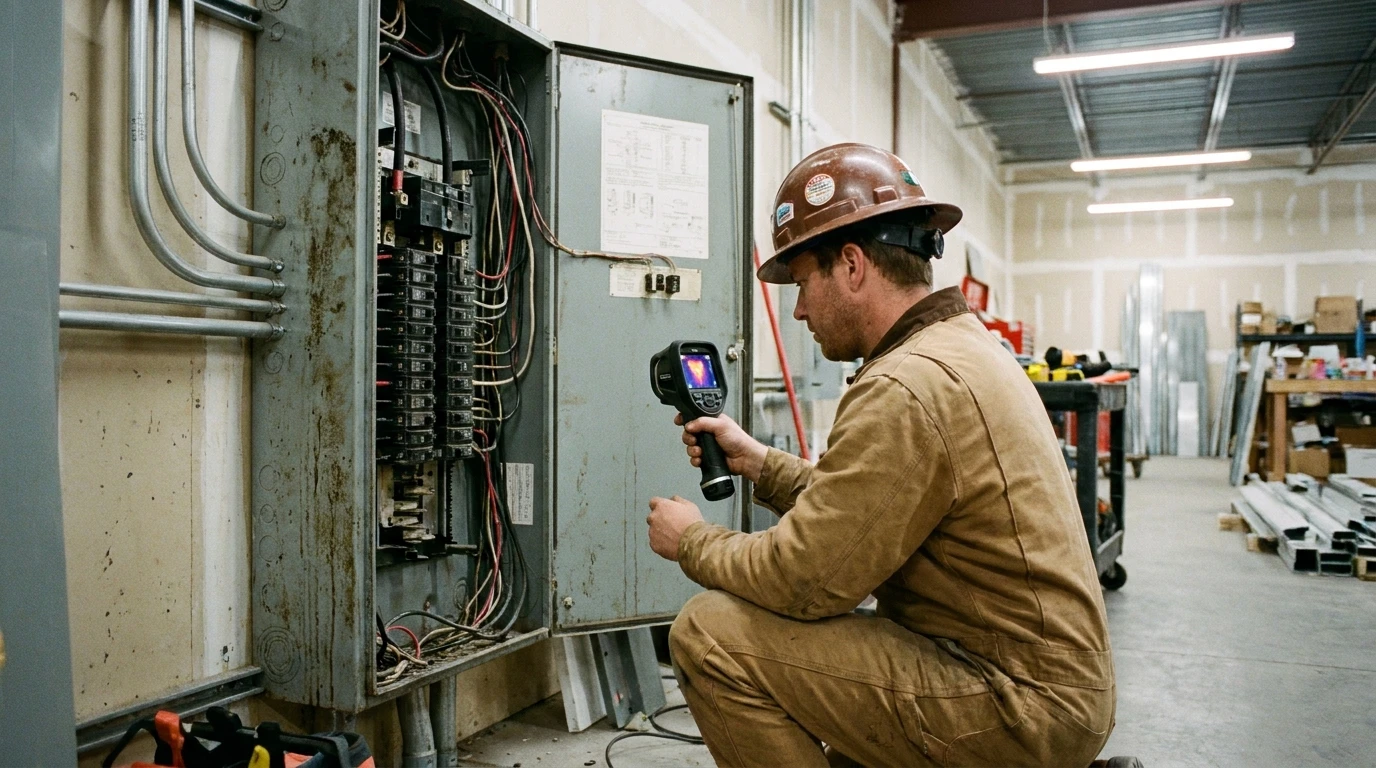
    Infrared thermography is a powerful tool for maintaining electrical systems in commercial settings. It allows for the early detection of potential issues, helping to prevent costly failures and ensuring operational efficiency.

    As property managers and business leaders in the Dallas-Fort Worth area, understanding when to implement infrared thermography can significantly impact your operations. This technology uses thermal imaging to identify hot spots and anomalies in electrical systems, which can indicate underlying issues. By integrating this proactive approach into your maintenance routine, you can enhance safety, reduce unexpected downtime, and optimize your electrical infrastructure.

    When to Consider Infrared Thermography

    Infrared thermography should be considered during routine maintenance checks, especially in high-demand environments. This technology is particularly effective in the following scenarios:

    • Annual preventative maintenance inspections.
    • Before and after major electrical installations or upgrades.
    • When experiencing unexplained equipment failures.
    • In facilities with critical uptime requirements.

    By scheduling infrared thermography during these key times, you can identify potential problems before they escalate, supporting the continued operation of your electrical systems.

    What a Qualified Electrician Checks

    A qualified electrician utilizes infrared thermography to assess various components of your electrical systems. Key areas of focus include:

    1. Electrical Panels: Checking for overheating connections or components that could lead to failures.
    2. Transformers: Identifying hot spots that may indicate insulation breakdown or other issues.
    3. Wiring Systems: Inspecting for loose connections that can cause arcing or overheating.
    4. Motors: Monitoring temperature variations that may indicate mechanical issues or overloads.

    These checks help ensure that your electrical systems operate efficiently and safely, minimizing the risk of unexpected breakdowns.

    Limitations of Infrared Thermography

    While infrared thermography offers significant benefits, it does have limitations. Understanding these can help set realistic expectations:

    • Surface Temperature Only: Infrared thermography measures surface temperatures, which may not reveal deeper issues within components.
    • Requires Expertise: Accurate interpretation of thermal images requires trained professionals to avoid misdiagnosis.
    • Not Comprehensive: It should be used as part of a broader maintenance strategy, not as a standalone solution.

    By recognizing these limitations, you can better integrate infrared thermography into your overall maintenance plan.

    Practical Next Steps for Implementation

    To effectively implement infrared thermography in your electrical maintenance routine, consider the following steps:

    1. Schedule Regular Inspections: Integrate infrared thermography into your annual maintenance schedule.
    2. Choose Qualified Professionals: Ensure that the technicians performing the thermography are certified and experienced.
    3. Follow Up on Findings: Address any issues identified during inspections promptly to prevent escalation.

    Taking these steps will help you maximize the benefits of infrared thermography and enhance the reliability of your electrical systems.

    Cost Considerations for Infrared Thermography

    Understanding the costs associated with infrared thermography can help you make informed decisions. Here are some factors to consider:

    • Initial Investment: The cost of hiring a qualified technician for infrared thermography inspections.
    • Potential Savings: Early detection of issues can prevent costly repairs and downtime.
    • Long-Term Benefits: Improved efficiency and lifespan of electrical systems can lead to reduced operational costs.

    While there is an upfront cost, the long-term savings and benefits often outweigh the initial investment.

    Conclusion

    Infrared thermography is an essential tool for maintaining the safety and efficiency of electrical systems in commercial environments. By understanding when to implement this technology, what qualified electricians check, and the limitations it presents, you can make informed decisions that enhance your operations. Taking practical steps to integrate infrared thermography into your maintenance routine can lead to significant long-term benefits.

    Discuss your facility’s electrical maintenance needs with KSI Electric Service. For more information on electrical inspections and repairs, visit DFW Commercial Electrical Inspections & Repairs. See also OSHA’s electrical safety resources.

    Frequently Asked Questions

    What is infrared thermography?

    Infrared thermography is a non-invasive diagnostic tool that uses thermal imaging to detect temperature variations in electrical systems, helping to identify potential issues before they escalate.

    How often should I schedule infrared thermography inspections?

    It’s recommended to schedule infrared thermography inspections annually or during significant electrical upgrades to ensure optimal performance and safety.

    Can infrared thermography replace regular electrical inspections?

    No, infrared thermography should complement regular electrical inspections, as it does not provide a comprehensive assessment of all electrical components.

    What qualifications should I look for in a technician?

    Look for technicians who are certified in infrared thermography and have experience in electrical maintenance to ensure accurate assessments.

    How can I benefit from infrared thermography?

    Using infrared thermography can help you detect issues early, reduce downtime, improve safety, and extend the lifespan of your electrical systems.

  • Fort Worth Emergency Electrician: What to Do When the Power Goes Out at 10 P.M.

    Fort Worth Emergency Electrician: What to Do When the Power Goes Out at 10 P.M.

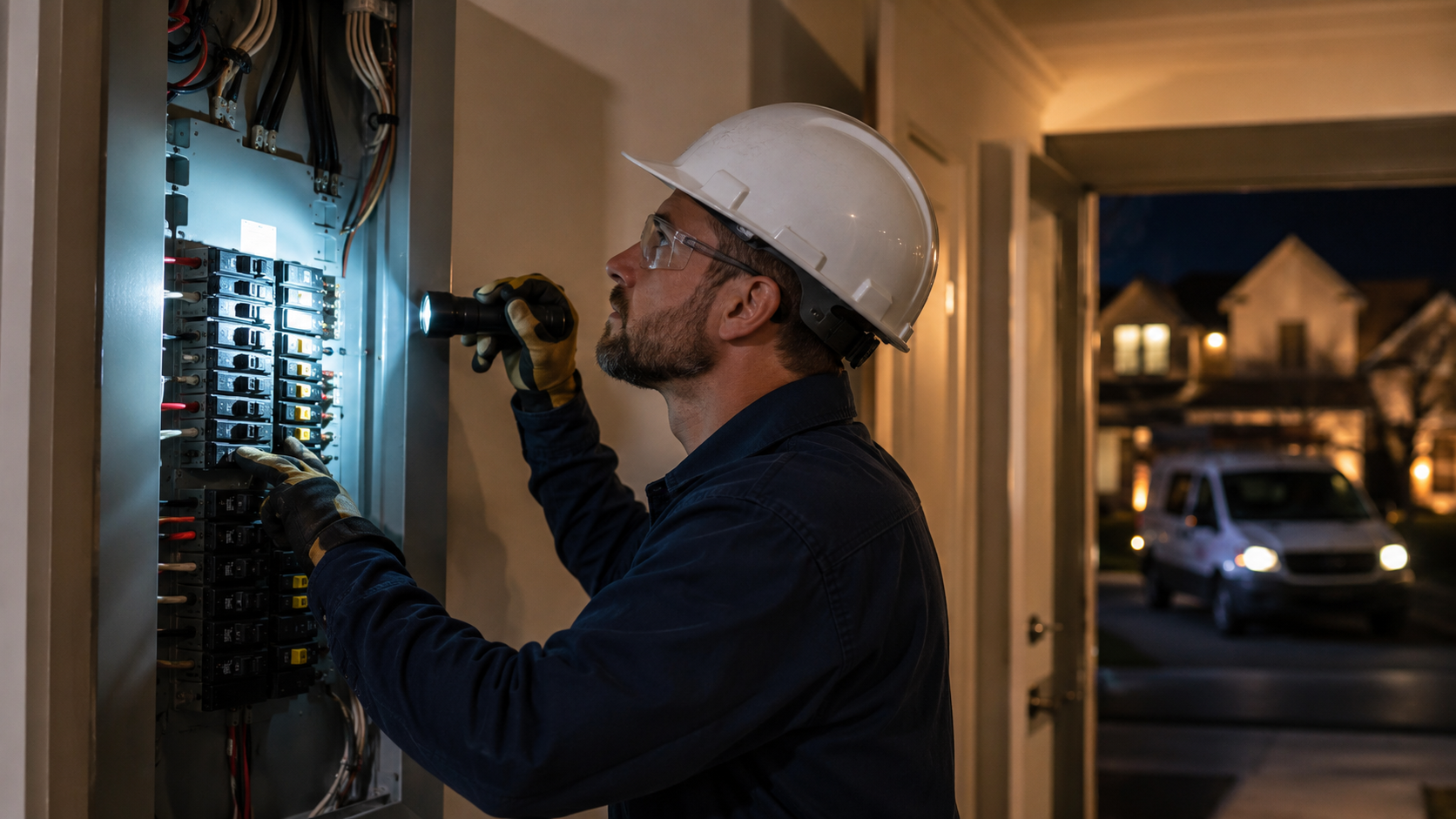
    It’s Saturday night. Everyone’s in bed, the AC is humming along—suddenly you smell burning near a hallway outlet. Or maybe a breaker keeps tripping and the breaker box feels warm to the touch. These are the kind of scenarios where you need an emergency electrician.

    At KSI Electric, we’ve been helping DFW homeowners since 1995. This guide covers how to tell if it’s a real emergency, what to do while you wait, and why it’s important to call a licensed electrician, not just the first online contractor that promises a quick fix.

    What’s an Electrical Emergency vs. a Repair That Can Wait?

    Some electrical problems can wait until regular business hours. Other times, there is a significant safety and fire risk that requires immediate attention.

    Call an emergency electrician if you smell a burning or melting plastic odor from an outlet, a switch, or your electrical panel. You need emergency service if your lights are sparking, smoking, or flashing, if an electrical appliance seems to be arcing inside the house, if your breaker is tripping repeatedly or your electrical panel is vibrating, buzzing, humming, or crackling when you turn a breaker off or on, if electrical outlets or light-switch cover plates feel warm to the touch, if you have melted, scorched, or discolored outlets or wall sockets, if you have power to your neighbors’ homes but not to all, most, or even just part of yours, or if water reaches your electrical system from storms or flooding.

    In all of these cases, call (817) 932-5882.

    KSI Electric serves the entire Dallas-Fort Worth metroplex, providing emergency services on a 24-hour, seven-day basis.

    What to Do Before the Electrician Gets to Your House

    Once you’ve called for assistance, the next priority is to keep your family and home safe.

    If you smell smoke or burning, shut off the power at the main breaker if you’re able to do so safely. If you cannot reach the panel safely, leave the house and call 911. If a power issue is limited to one outlet or fixture, shut off the circuit breaker controlling that area. Do not allow children or pets anywhere near where the electrical issue is occurring. If you see a fire, evacuate the home or office right away. Never use water on an electrical fire. Only use a Class C fire extinguisher and only if you can safely do so. Make sure you have a working flashlight if the house has lost power. Remember how and where it first happened, which areas were affected, and what was running at the time. Keep away from any standing water while electrical equipment is present.

    Do not try to fix this kind of thing yourself. Improper repair can lead to injury or electrical fires, and you may run afoul of electrical codes.

    Why a Licensed Electrician Is Important in an Emergency

    During an emergency, it’s tempting to reach for your smartphone and call the first service available online. However, just because a contractor is advertising emergency services doesn’t mean that they’ll send a licensed electrician to your home or even follow the same quality standards when a crisis comes.

    KSI Electric is a family-owned Fort Worth business. When you call, you will get our people, not a third-party dispatcher. We send only licensed and insured electricians who know how to do code-compliant work and who will be able to explain the problem and repair it, once and for all, rather than offering a short-term fix.

    Common Electrical Emergencies in DFW

    1. Outdated Electrical Panels Homes built decades ago and even in newer parts of Fort Worth and Arlington can still have the original 60 or 100 amp panels installed by the builder. These old panels were not built to accommodate the electrical demands of today’s homes. They will frequently trip or overload, which can serve as a warning sign that your electrical system needs upgrading and a professional inspection before something more serious happens.
    2. Storm Damage North Texas storms can damage service equipment and let in water to panels, outlets, and electrical wiring. Never turn the power back on if electrical equipment is found soaked in water by a storm until it has been examined and cleared by a professional.
    3. Aging Wiring In homes built prior to 1980, you may have old wiring, outdated electrical fixtures, and worn out or damaged outlets or fixtures. Signs of electrical distress—warm receptacles, a smell of burning, or repeated breaker trips—should never be ignored.
    4. Overloaded Circuits The increased use of space heaters, portable A/C units, or other high-draw appliances can overload older wiring systems. Frequent tripping breakers or warm wall outlets may be indications your residence needs new circuits or a panel upgrade.

    How Much Does an Emergency Electrician Cost?

    Because emergency electricians work after normal business hours, they typically charge more than someone who schedules a service call for the day.

    In the DFW area, you can expect an average emergency service fee of $150 to $500 for the initial hour of work, plus hourly charges (labor) of $75 to $150 after that. Of course, prices will vary based on the problem and how long the repair takes, plus materials cost.

    KSI Electric provides pricing before we begin any work, so you won’t have any surprises!

    How to Prevent an Electrical Emergency

    Of course, not every emergency can be avoided, but many can!

    • Get your entire home evaluated by an electrician if it’s over 25 years old and/or has never been inspected.
    • Replace any wall outlets that are loose, discolored, or warm to the touch.
    • Get your breaker panel checked if you’re tripping your circuit breakers regularly or if you’re going to add a new circuit for something like an electric vehicle charger or hot tub.
    • Don’t plug several large wattage appliances into the same outlet or circuit.
    • Test your smoke detectors monthly.
    • If your extension cords are old and worn or cracked, replace them with new ones. Do not run them under carpets, rugs or through doorways.

    Periodic electrical inspections are the best way to uncover outdated wiring, loose connections and other potential problems so that the issue never turns into an emergency!

    What to Expect When You Call KSI Electric

    When you call KSI Electric at (817) 932-5882, a real person answers the phone. We’ll ask a few questions to assess the situation and tell you what to expect as you wait for our arrival. If you have a situation that is immediately unsafe, we will suggest you evacuate to safety, call 911 and wait for us to show up.

    When our electrician arrives at your home, we’ll first make the environment safe and fix your issue. Our electrician will explain the repairs you’re paying for in plain language before work begins, along with pricing. Then, we’ll leave your home with all systems checked out, fully operational and safe. All repairs are completed by our licensed and insured team of electricians. Everything we do complies with the most current electric code.

    Do Not Wait When Your Home Needs Help

    Electrical problems can turn dangerous fast. If your outlets feel warm, you notice buzzing sounds from your panel, or you find yourself unable to reset a tripped circuit, don’t wait. It’s not going to get better and the consequences could be dangerous to you or your family.

    KSI Electric has been protecting and serving homeowners in DFW since 1995! Our company is a locally-owned electrical company that is fully licensed and insured. Plus, we’re available 24/7! Reach out to us by calling (817) 932-5882 or visit ksiresidentialelectric.com today! No pressure! Let us provide you with a free estimate!

    Frequently Asked Questions

    What should I do before the electrician arrives?

    If you smell smoke or burning or you see any smoke, make sure to turn off the circuit breaker in your electrical panel as soon as it’s safe to do so. If the main circuit breaker is inaccessible to you, get out of the home immediately and call 911. Keep all your family members away from the area where there is smoke or the smell of smoke, don’t touch any outlets that are discolored or appliances that appear damaged, and keep in mind the situation to help the electrician troubleshoot the problem once they arrive.

    When should I call an electrician for emergency service?

    Call for emergency service immediately if you are experiencing any of these issues:

    • Burning odors, smells or sounds
    • Sparks or smoke from any area
    • Breaker trips that recur often
    • Buzzing from any electrical components
    • Warm or discolored wall outlets
    • Black scorch marks near or on outlets or electrical equipment
    • Power loss or dimming of the lights (without any power losses affecting your neighbors)

    Minor problems can usually be addressed with a more convenient day and time. A single tripped breaker or a single flickering light bulb is not usually a reason to call for emergency service.

    How much does emergency electrical service cost?

    The cost of an emergency electrician callout and labor in the Dallas area generally ranges from $150 to $500 for the service call and first hour of work, and from $75 to $150 per hour after that. The exact cost depends on the issue, the time needed to repair it, the costs of materials required and the electrician that responds. KSI Electric offers transparent pricing prior to repairs.

  • Finding a Good Residential Electrician in Fort Worth

    Finding a Good Residential Electrician in Fort Worth

    Your electrical system in your Fort Worth home acts as the hidden heart of your home. You depend on it to keep your lights on, your coffee hot in the morning, and your air conditioning cool during the long Texas summers. When an electrical problem pops up, or it is time to expand the system, you need a residential electrician in Fort Worth that you can count on. You want a professional who understands the specific needs of homes across DFW and has the safety of your family as a top priority.

    Why It Is Important to Select the Right Residential Electrician in Fort Worth

    There is nothing DIY about electrical systems. Working with electricity is highly specialized and requires strict adherence to safety codes and the proper tools to be safe. For homeowners across the Dallas-Fort Worth metroplex, hiring a skilled and licensed electrician is more than simply fixing a problem; it is about keeping your family and property safe.

    Any poor electrical work can cause dangerous problems such as electrical shocks, fires and extensive property damage. This is why KSI Electric is dedicated to giving our DFW community members superior, safe and dependable electrical service since 1995. It has always been our company philosophy to do your electrical project correctly the first time, so you can sleep soundly knowing that your home is safe.

    Essential Traits of a Good Electrician in DFW

    When searching for an electrician in Dallas Fort Worth in order to repair your home, it is best to look for a few different characteristics. These characteristics can show you that you are getting quality professional electrical work that is going to meet both your expectations as well as local electrical code requirements.

    License and Insurance: Your Protection

    Any electrician you hire to work on your Fort Worth home should always be licensed in the state of Texas. The license certifies that the electrician has the training and experience as well as passing the state electrical exam. It is also important for the electrician to have liability and worker’s compensation insurance, which protects you if an injury or damage to your property ever occurs during a job.

    KSI Electric is very proud to be a fully-licensed and insured residential electrician for all the DFW communities. We carry every license and insurance policy required. When you work with KSI Electric, you have the assurance of our complete professionalism and our commitment to your protection on every project.

    Experience & Local Expertise

    A licensed electrician’s level of experience makes a huge difference. At KSI Electric, for example, with our many decades of experience, our team has seen many types of electrical situations, and we know how to resolve even the most difficult ones quickly. It is also important to use an electrician who lives and works in the DFW community. An experienced DFW-area electrician knows the unique electrical issues that are commonly encountered throughout the city of Fort Worth, as well as surrounding communities such as Arlington and many other suburbs. Our electricians are familiar with the permitting process required for every project.

    Our company has specialized in electrical work throughout our DFW community for over 30 years. We have extensive experience with older wiring systems in the historic homes of Fort Worth, as well as the newest smart home systems installed in the newer neighborhoods.

    Straight Answers and Clear Estimates

    Open communication is critical. A professional electrician should be able to clearly communicate the issue at hand, the solution they propose and the cost involved, so you understand all aspects of the work without being bombarded with technical terminology. An upfront cost, with no pressure to get you to purchase a service, will ensure there are no hidden costs.

    At KSI Electric, we are transparent about all of our costs. Each customer receives a free written estimate of their work before the work begins, so the customer knows exactly what to expect from KSI Electric. We are committed to open, honest communication, starting from the first time you call.

    When It’s Time to Call for an Electrical Repair in Fort Worth

    Knowing when to call a licensed electrical repair person is essential to your Fort Worth home. Some electrical problems start as simple inconveniences and turn into serious hazards.

    Common Electrical Issues

    If you notice flickering lights, tripped circuit breakers, nonfunctioning outlets or a smell of burning in the air when you’re home, you may need a Fort Worth electrical repair.

    At KSI Electric, we are prepared to troubleshoot, resolve and install any type of electrical problem for your home or business, large or small. We handle all kinds of residential electrical repairs quickly to reduce inconvenience for you.

    Safety Concerns

    Electrical issues that put safety at risk are not something you should try to fix by yourself. Outlets sparking, wall plates that feel warm, or your home losing power are all issues that require professional electrical service from a licensed electrician.

    When an electrical issue becomes an emergency, you can trust KSI Electric. We offer a 24-hour, 7-day emergency electrical service. Call us when you need a residential electrician in Fort Worth most.

    Upgrades and Installations

    In addition to repairs, a residential electrician in Fort Worth can also perform home upgrades and new installations for you. Upgrading your electrical panel is often a necessity if your home is old or requires more electrical power from your devices. Other electrical services include installation of electric vehicle (EV) chargers, a complete wiring of a home or installation of interior and exterior lights.

    Hiring an electrician to complete residential electrical work upgrades not only increases your home’s value but also makes sure that it can meet your lifestyle needs in the future.

    Your Trusted Residential Electrician in Fort Worth

    For electrical repairs, upgrades and more, trust a reliable residential electrician for your Fort Worth home. KSI Electric has served Fort Worth and the DFW area for over 30 years with local electrical experts and a dedicated team of trustworthy electricians. We are always there to fix your problem and ensure your home meets all safety and electrical regulations.

    Whether you need a basic electrical repair or new electrical service installation, our team takes pride in taking care of your home like it was our own. For a free quote, call (817) 932-5882 or visit ksiresidentialelectric.com today.

    Frequently Asked Questions

    What questions should I ask a residential electrician in Fort Worth before I hire them? Make sure they are licensed and insured to do the electrical work in the state of Texas. Ask for referrals for your kind of electrical work. What is their process for providing an estimate? Do they offer a warranty for their electrical work? Are they available for emergency service calls? How do they handle the timeline and communication of the job?

    What are some common signs of electrical problems in my Fort Worth home? Flickering or dimming lights are a sign that you have electrical issues in your home. Tripped circuit breakers, outlets or switches that don’t work and feel warm are also signs of electrical issues. Other signs of electrical problems in your Fort Worth home include a burning smell in the air or sounds of buzzing coming from outlets or switches and discolored wall plates. If you notice any of these electrical signs, it is time to schedule your next appointment with a professional electrician in Fort Worth.

    Why is it important to hire a licensed electrician in DFW for my home? Hiring a licensed electrician in Fort Worth means you’re hiring a professional who has met all necessary electrical requirements of the state. In the event of an accident, licensed electricians are required to carry insurance. Hiring an unlicensed electrician can pose a safety risk to you and those that live with you. It can also affect insurance claims and even the future of your home.