
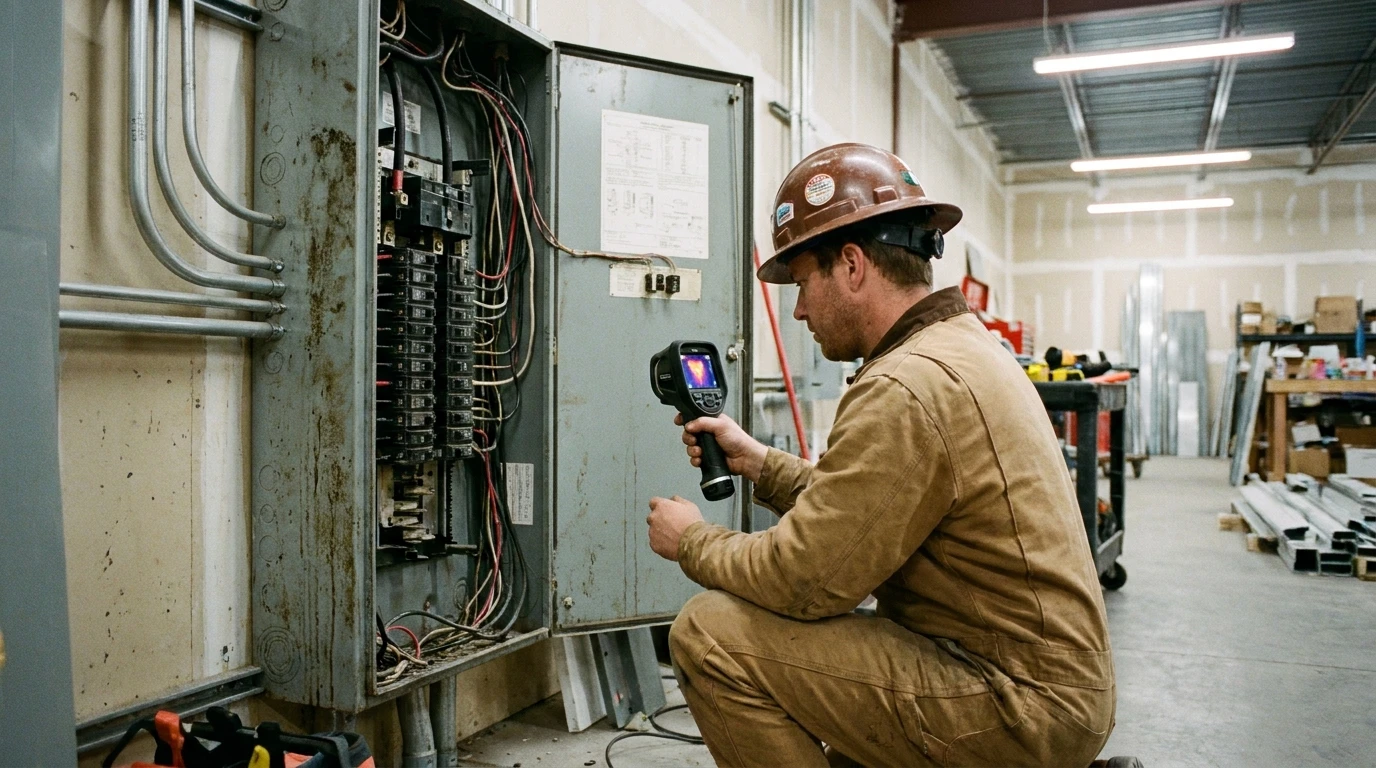
Infrared thermography is a powerful tool for maintaining electrical systems in commercial settings. It allows for the early detection of potential issues, helping to prevent costly failures and ensuring operational efficiency.
As property managers and business leaders in the Dallas-Fort Worth area, understanding when to implement infrared thermography can significantly impact your operations. This technology uses thermal imaging to identify hot spots and anomalies in electrical systems, which can indicate underlying issues. By integrating this proactive approach into your maintenance routine, you can enhance safety, reduce unexpected downtime, and optimize your electrical infrastructure.
When to Consider Infrared Thermography
Infrared thermography should be considered during routine maintenance checks, especially in high-demand environments. This technology is particularly effective in the following scenarios:
- Annual preventative maintenance inspections.
- Before and after major electrical installations or upgrades.
- When experiencing unexplained equipment failures.
- In facilities with critical uptime requirements.
By scheduling infrared thermography during these key times, you can identify potential problems before they escalate, supporting the continued operation of your electrical systems.
What a Qualified Electrician Checks
A qualified electrician utilizes infrared thermography to assess various components of your electrical systems. Key areas of focus include:
- Electrical Panels: Checking for overheating connections or components that could lead to failures.
- Transformers: Identifying hot spots that may indicate insulation breakdown or other issues.
- Wiring Systems: Inspecting for loose connections that can cause arcing or overheating.
- Motors: Monitoring temperature variations that may indicate mechanical issues or overloads.
These checks help ensure that your electrical systems operate efficiently and safely, minimizing the risk of unexpected breakdowns.
Limitations of Infrared Thermography
While infrared thermography offers significant benefits, it does have limitations. Understanding these can help set realistic expectations:
- Surface Temperature Only: Infrared thermography measures surface temperatures, which may not reveal deeper issues within components.
- Requires Expertise: Accurate interpretation of thermal images requires trained professionals to avoid misdiagnosis.
- Not Comprehensive: It should be used as part of a broader maintenance strategy, not as a standalone solution.
By recognizing these limitations, you can better integrate infrared thermography into your overall maintenance plan.
Practical Next Steps for Implementation
To effectively implement infrared thermography in your electrical maintenance routine, consider the following steps:
- Schedule Regular Inspections: Integrate infrared thermography into your annual maintenance schedule.
- Choose Qualified Professionals: Ensure that the technicians performing the thermography are certified and experienced.
- Follow Up on Findings: Address any issues identified during inspections promptly to prevent escalation.
Taking these steps will help you maximize the benefits of infrared thermography and enhance the reliability of your electrical systems.
Cost Considerations for Infrared Thermography
Understanding the costs associated with infrared thermography can help you make informed decisions. Here are some factors to consider:
- Initial Investment: The cost of hiring a qualified technician for infrared thermography inspections.
- Potential Savings: Early detection of issues can prevent costly repairs and downtime.
- Long-Term Benefits: Improved efficiency and lifespan of electrical systems can lead to reduced operational costs.
While there is an upfront cost, the long-term savings and benefits often outweigh the initial investment.
Conclusion
Infrared thermography is an essential tool for maintaining the safety and efficiency of electrical systems in commercial environments. By understanding when to implement this technology, what qualified electricians check, and the limitations it presents, you can make informed decisions that enhance your operations. Taking practical steps to integrate infrared thermography into your maintenance routine can lead to significant long-term benefits.
Discuss your facility’s electrical maintenance needs with KSI Electric Service. For more information on electrical inspections and repairs, visit DFW Commercial Electrical Inspections & Repairs. See also OSHA’s electrical safety resources.
Frequently Asked Questions
What is infrared thermography?
Infrared thermography is a non-invasive diagnostic tool that uses thermal imaging to detect temperature variations in electrical systems, helping to identify potential issues before they escalate.
How often should I schedule infrared thermography inspections?
It’s recommended to schedule infrared thermography inspections annually or during significant electrical upgrades to ensure optimal performance and safety.
Can infrared thermography replace regular electrical inspections?
No, infrared thermography should complement regular electrical inspections, as it does not provide a comprehensive assessment of all electrical components.
What qualifications should I look for in a technician?
Look for technicians who are certified in infrared thermography and have experience in electrical maintenance to ensure accurate assessments.
How can I benefit from infrared thermography?
Using infrared thermography can help you detect issues early, reduce downtime, improve safety, and extend the lifespan of your electrical systems.
Leave a Reply